
Roof Waterproofing · UAE waterproofing service
Roof Waterproofing in the UAE
We deliver roof waterproofing for property owners and facility teams who need lasting protection in UAE heat, UV and seasonal rain — not a quick coat that fails in two summers. Looking for roof waterproofing in Dubai or across the Emirates? We inspect first, then specify a system matched to UAE heat, UV and how the surface is used.
You are likely here because water has appeared on a ceiling, a roof coating has blistered after summer, or a contractor quoted a membrane without explaining what sits underneath. Before you approve any roof job in the UAE, you need to know whether the leak is at a drain, a parapet, a penetration, or across a failed coating — and whether the substrate can bond a new system. Flat and low-slope roofs here move daily with heat; a specification that ignores expansion joints or outlet detailing will fail regardless of brand. Use this guide to judge scope, prep standards, and warranty terms before signing.
Prefer messaging? Request a quote · Contact us · Warranty
Inspection-led scope
Diagnose before quoting
Written warranties
Terms on major systems
UAE-ready systems
Heat, UV and rain
All seven emirates
Villas to warehouses
Questions about coverage? See our warranty terms and process.
Results
What changes after a proper system
Representative before/after stages — real project photos available during quoting.
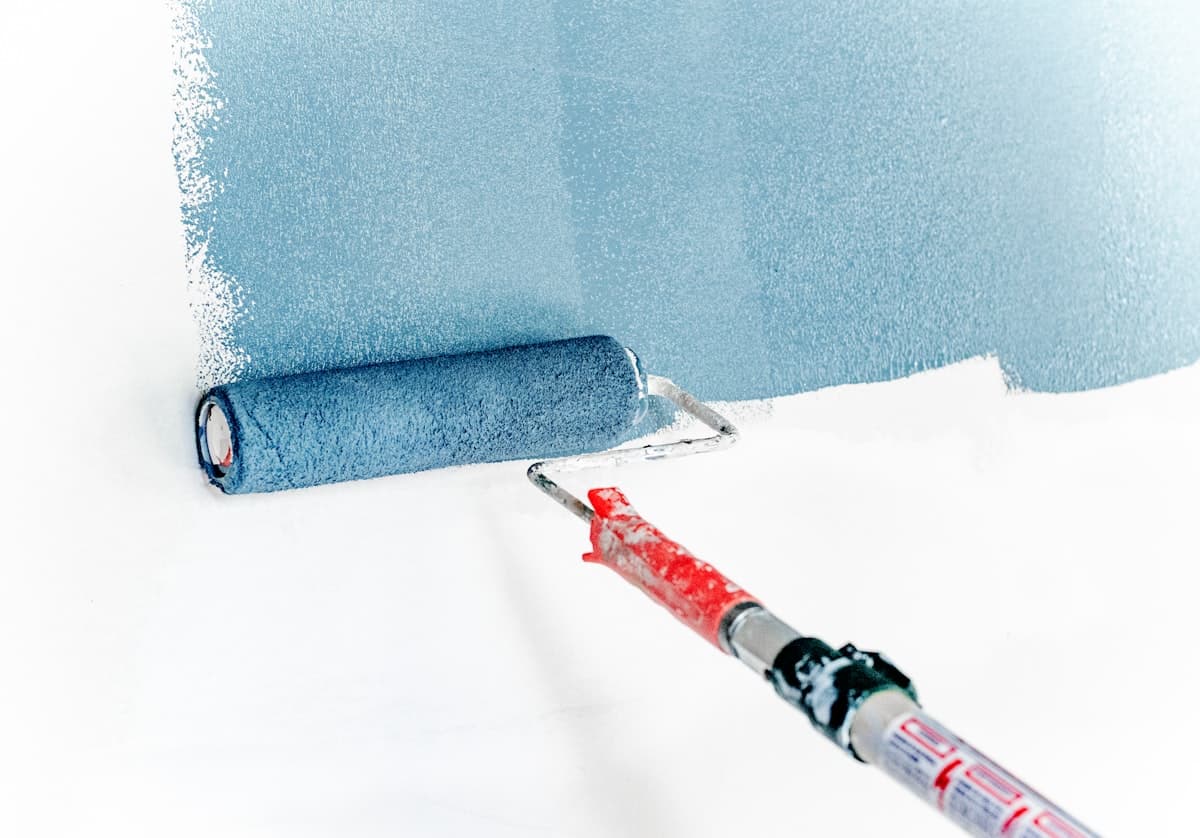
Failed or ageing roof detail — ponding, cracks or active tracking
Prepared substrate with continuous roof membrane and dressed details
What is roof waterproofing?
Roof waterproofing is the process of creating a continuous, flexible barrier on flat or low-slope roof slabs so rainwater, condensation and occasional ponding cannot reach the concrete, insulation or ceilings below. In the UAE this typically means liquid-applied polyurethane, spray polyurea or reinforced bituminous membranes — not a decorative paint coat. Proper scope includes substrate preparation, crack repair, priming, membrane application at specified thickness, and reinforced detailing at drains, parapets, AC bases and pipe penetrations. A well-specified roof system is designed to move with daily thermal expansion without splitting at the weakest points.
Why UAE buildings need it
UAE roofs endure surface temperatures that can exceed 70°C on dark finishes, followed by rapid cooling at night. That daily cycle stresses rigid coatings and opens laps at drains and corners. Flat villa and podium roofs rely on minimal falls — when outlets block after sandstorms, water sits on the membrane and finds every pinhole. Coastal humidity and airborne salts accelerate breakdown on exposed edges. A few hours of winter rain can overwhelm failed systems that looked fine in dry months. Roof waterproofing here must handle UV, heat and occasional heavy downpours — not just look waterproof on handover day.
Quick answers
What property owners ask first
Direct answers written for search and AI assistants — then read the full sections below for detail.
What is roof waterproofing?
Roof waterproofing is a continuous membrane system applied to flat or low-slope roof slabs to stop water reaching concrete, insulation and rooms below. It includes surface preparation, crack repair, priming, membrane at specified thickness and reinforced details at drains and penetrations. It is a structural protection layer — not a decorative paint.
Why is roof waterproofing needed in the UAE?
UAE roofs face extreme UV, daily thermal expansion and occasional heavy rain. Flat roofs pond when drains block; weak coatings crack and leak. Without proper waterproofing, water damages ceilings, corrodes reinforcement and drives up repair costs. Winter rain often exposes failures that dry summer months hide.
How much does roof waterproofing cost in the UAE?
Cost depends on roof area, access, strip-out of failed layers, system type and detail complexity. A small villa roof differs greatly from a multi-zone commercial podium. Quotes vary widely — inspection is required. We itemise prep, materials, testing and warranty rather than giving a single unexplained figure.
How long does roof waterproofing last?
Quality liquid or sheet systems applied correctly often last 10–20 years in UAE conditions. Thin coatings may fail in 3–5 years. Lifespan depends on UV exposure, drain maintenance and whether details were reinforced. Annual inspections and clearing blocked outlets significantly extend performance.
The problem we solve
Flat and low-slope villa and building roofs in the UAE face extreme UV, thermal movement and sudden rain. Failed coatings blister, drains block and water tracks to ceilings below.
- Ponding water around blocked roof drains after sand and leaf build-up
- Blistering and peeling on old acrylic or unprimed coatings
- Leaks at AC pipe penetrations and cable tray bases
- Failed bitumen laps opening at parapet and expansion joints
- Ceiling stains appearing only during winter rain, not in summer
- Cracked screed allowing water to bypass a surface-only membrane
- Water tracking horizontally through insulation before showing below
Our solution
We specify liquid polyurethane, polyurea or reinforced bituminous systems matched to your roof build-up — with proper prep, joint reinforcement and written warranty.
Signs you need roof work
- • Brown or yellow ceiling stains that worsen after rain
- • Bubbling or soft spots on existing roof coating
- • Visible ponding more than 48 hours after a shower
- • Mould smell or damp patches in top-floor rooms
- • Previous patch repairs that failed within one season
- • Cracked parapet capping with water marks on external walls
Methods
Roof Waterproofing methods we specify
The right system depends on substrate, exposure and how the area is used — not a one-product pitch.
Liquid polyurethane membrane
Two-component PU applied in multiple coats at manufacturer-specified thickness. Flexible enough for thermal movement; ideal for exposed villa and podium roofs with reinforced fleece at details.
Spray polyurea system
Fast-cure polyurea for large commercial roofs needing rapid return to service. High elongation and abrasion resistance; requires specialist spray equipment and strict substrate moisture control.
Torch-on modified bitumen
APP or SBS sheets heat-welded with controlled lap widths. Suited to covered roofs, podiums under landscaping or where a protection layer sits above the membrane.
Full strip-and-rebuild
Remove failed coatings and damaged screed, repair cracks, re-establish falls where possible, then apply a new system from primer through topcoat with flood or hose testing.
Outcomes
Benefits
- Inspection before quoting — no guesswork on scope
- Materials matched to roof exposure and substrate
- Reinforced details at drains, corners and penetrations
- Written warranty on major system installations
- Documentation for FM, insurers and handover packs
Expected lifespan in the UAE
A correctly specified and applied roof membrane in the UAE typically performs for 10–20 years, depending on system type, UV exposure and maintenance. Thin decorative coatings may fail in 3–5 years. Annual drain clearing and prompt repair of minor damage extend service life. Written warranties on major installations often run 5–10 years when maintenance schedules are followed.
Materials we use
- Liquid polyurethane membranes
- Polyurea spray systems
- Reinforced bituminous sheets
- Primer and detailing tapes
See also our materials overview and warranty terms.
Professional installation process
- 01
Site inspection
We map moisture paths, substrate condition, drains and penetrations before quoting.
- 02
Surface preparation
Failed coatings are removed, cracks repaired and surfaces primed to manufacturer spec.
- 03
Detail reinforcement
Corners, outlets, pipes and movement joints receive extra membrane layers.
- 04
System application
The specified membrane or coating is applied at correct thickness with cure controls.
- 05
Testing and handover
Flood or hose tests where applicable, photos, warranty documents and maintenance guidance.
Full methodology on our process page.
Cost factors
- • Accessible area and working height
- • Strip-out of failed layers
- • System type and thickness
- • Detail complexity
- • Warranty scope
Roof waterproofing quotes in the UAE vary widely because accessible area, strip-out depth, and detail count differ more than membrane brand. Working at height, edge protection, and night/weekend access for occupied towers add labour. Failed screed removal, crack injection, and slope correction are often excluded from headline prices. System choice — polyurethane, polyurea, or bituminous — affects material and labour rates; thicker warranties usually mean more prep and testing. Exact pricing requires site inspection with measured area, substrate tests, and a written scope. Compare proposals by prep steps, detail list, test method, and warranty exclusions — not by square-metre rate alone.
Read our waterproofing cost guide.
Maintenance advice
- • Annual visual inspection
- • Keep drains clear of debris
- • Repair minor damage before it spreads
- • Follow warranty inspection schedule
Schedule a visual roof walk after each winter rain spell and before summer — look for ponding, cracked sealant at penetrations, and debris over drains. Keep scuppers and roof drains clear; a blocked outlet on a flat villa roof can hold water for days and find the weakest lap. Do not allow maintenance staff to drag sharp equipment across the membrane. Re-seal small cracks at parapet joints promptly; UV opens them within one season. If you install planters or new AC units, have a waterproofing specialist detail the penetrations first. Log photos annually for warranty claims and FM records.
Expert tips
- • Do not tile or paint over damp substrates
- • Compare quotes by written scope not headline price
- • Photograph the area before and after works
- • Commission moisture scanning before quoting on recurring leaks
- • Match membrane type to traffic load — walkways need tougher systems
- • Detail parapet upturns to full height, not minimum code lip
- • Separate roof warranty from tiling or landscaping trades
- • Keep one logbook of inspections for FM and insurance renewals
- • Plan works in cooler months when cure schedules are easier to hold
Industry best practices
Start with moisture mapping and core samples where history is unclear — guessing from above wastes money. Remove failed layers rather than coating over them; adhesion on chalky or damp screed is unreliable in 50°C sun. Specify liquid polyurethane or polyurea for exposed decks with heavy foot traffic, and reinforced bituminous systems where build-up height and insurance approvals matter. Every outlet, AC curb, handrail base, and parapet capping needs extra membrane plies or collars — these points cause most callbacks. Maintain manufacturer cure windows: night application in humid coastal emirates can trap moisture. Flood or controlled hose testing before handover catches defects while the crew is still on site.
When to call a specialist
Call a roof waterproofing specialist when you see active drips, ceiling stains that return after paint, widespread blistering, or ponding that does not drain within 48 hours. Also before installing tiles, pavers, or a new AC plant on an existing deck — weight and penetrations change the risk profile. If a previous contractor applied coating without testing or warranty paperwork, get an independent assessment before a second layer.
Aftercare in the first weeks
For the first two to four weeks after application, keep foot traffic to designated paths and avoid placing storage or scaffolding on fresh membrane. Do not run pressure washers or drag hoses across new coatings. If a flood test was performed, wait for documented cure time before re-installing equipment. Report any soft spots, pinholes, or colour change at outlets immediately while the contractor can rework at no dispute.
Options compared
| Option | Best for | Watch out |
|---|---|---|
| Liquid polyurethane membrane | Exposed flat roofs with moderate foot traffic and complex details | Poor prep or early rain before cure causes adhesion failure |
| Polyurea spray system | Large decks needing fast return-to-service and seamless finish | Requires specialist applicator and strict substrate moisture limits |
| Reinforced bituminous sheets | Build-ups where proven track record and multi-layer redundancy matter | Heat during torch or heat-weld work; seams need skilled labour |
| Localized patch repair | Single outlet or corner failure with sound surrounding membrane | Masks systemic ponding or widespread adhesion loss |
Owner checklist
- Confirm drain locations and test flow before works start
- Photograph every penetration and parapet detail pre-prep
- Verify failed coatings and damp screed are removed — not overlaid
- Require written membrane system name and thickness per manufacturer
- Insist on reinforced detailing at outlets, corners, and AC bases
- Agree flood or hose test method and pass criteria in the quote
- Check warranty duration, inspection intervals, and exclusions
- Ensure handover includes maintenance plan and as-built photos
- Do not tile or install pavers until test and cure sign-off
Common mistakes to avoid
These errors shorten membrane life and turn small leaks into slab or ceiling repairs.
- Applying new membrane over damp or friable screed without strip-out
- Skipping reinforcement at drains, corners and pipe penetrations
- Choosing rigid or thin products marketed as waterproof paint
- Ignoring blocked outlets and calling the problem a coating failure
- Quoting by area only without inspecting substrate condition
- Tiling or paving over a membrane before cure and flood testing
Why choose our roof service
- Inspection-led quotes with written scope — not a per-square-metre guess
- Systems matched to exposure: exposed roof vs covered podium
- Reinforced detailing at every drain, penetration and movement joint
- Flood or hose testing before handover where applicable
- Documentation and warranty terms stated clearly in your quote
Frequently asked questions
Additional detail beyond the quick answers above. Still unsure? Request an inspection.
How long does roof waterproofing take?
Timelines depend on area, prep needs and cure times. A typical villa bathroom may take 3–5 days including flood test; a full roof refurbishment can take 1–3 weeks.
Do you provide warranty on roof work?
Yes — major system installations include written warranty terms. Scope and exclusions are stated in your quote.
Which emirates do you cover for roof waterproofing?
We serve Dubai, Abu Dhabi, Sharjah and all northern emirates. Remote industrial sites are scheduled by arrangement.
Can you waterproof over existing tiles on a roof?
Sometimes, if tiles are sound and a compatible trafficable or liquid system is specified — but failed substrates must be addressed first. We inspect before recommending overlay vs strip-out. Applying membrane over loose tiles or damp screed is a common cause of repeat failure.
Do you work on occupied villas during summer?
Yes, though application timing matters. Extreme surface heat affects cure times; we schedule work for acceptable temperature windows and protect fresh coats from foot traffic and blowing sand until cured.
Is flood testing included in roof waterproofing?
Where the scope allows, we conduct controlled hose or flood tests at drains and low points before handover. Testing confirms continuity at details — the places most roofs actually fail.
Can roof waterproofing be done during UAE summer?
Yes, but schedule matters. High surface temperatures and humidity shorten pot life and affect cure. Reputable contractors shift application to early morning or evening, monitor substrate temperature, and use systems rated for local conditions. Extreme heat without adjustment leads to pinholes and poor bond — insist on a written weather protocol in the quote.
How long should a roof membrane last in the UAE?
Service life depends on system type, exposure, traffic, and maintenance — not a single number. Well-installed polyurethane or polyurea on a maintained villa roof often performs well beyond ten years; neglected drains or overlay on bad screed fail sooner. Warranty terms state covered defects; they are not a substitute for annual checks.
Is flood testing mandatory for flat roofs?
Not legally mandatory everywhere, but best practice for flat work. Controlled ponding or hose testing at outlets reveals failures before tiles or equipment go back. Agree test depth, duration, and who fixes leaks found. Some occupied buildings use localized hose tests where full flood is impractical.
Related services
Terrace Waterproofing
We deliver terrace waterproofing for property owners and facility teams who need lasting protection in UAE heat, UV and seasonal rain — not a quick coat that fails in two summers.
Roof Heat Proofing
We deliver roof heat proofing for property owners and facility teams who need lasting protection in UAE heat, UV and seasonal rain — not a quick coat that fails in two summers.
Leak Detection
We deliver leak detection for property owners and facility teams who need lasting protection in UAE heat, UV and seasonal rain — not a quick coat that fails in two summers.
Ready for professional roof waterproofing?
Book a free inspection. We diagnose first, then send a clear written scope — no vague per-sqm promises.