
Basement Waterproofing · UAE waterproofing service
Basement Waterproofing for UAE Podiums and Car Parks
We deliver basement waterproofing for property owners and facility teams who need lasting protection in UAE heat, UV and seasonal rain — not a quick coat that fails in two summers. Looking for basement waterproofing in Dubai or across the Emirates? We inspect first, then specify a system matched to UAE heat, UV and how the surface is used.
Basement and below-grade spaces in the UAE — parking pods, storage rooms, and villa lower levels — face a different problem set than roofs: hydrostatic pressure from perched water tables after heavy rain, capillary rise through blockwork, and failed external tanking accessed only after excavation. You need to know whether water enters through walls, floor slabs, or construction joints, and whether internal sealants alone will hold. Many owners discover leaks only when humidity ruins stored goods or electrical rooms alarm. This guide helps you choose between internal crystalline systems, external membranes, and drainage relief based on how water actually behaves on your site.
Prefer messaging? Request a quote · Contact us · Warranty
Inspection-led scope
Diagnose before quoting
Written warranties
Terms on major systems
UAE-ready systems
Heat, UV and rain
All seven emirates
Villas to warehouses
Questions about coverage? See our warranty terms and process.
Results
What changes after a proper system
Representative before/after stages — real project photos available during quoting.
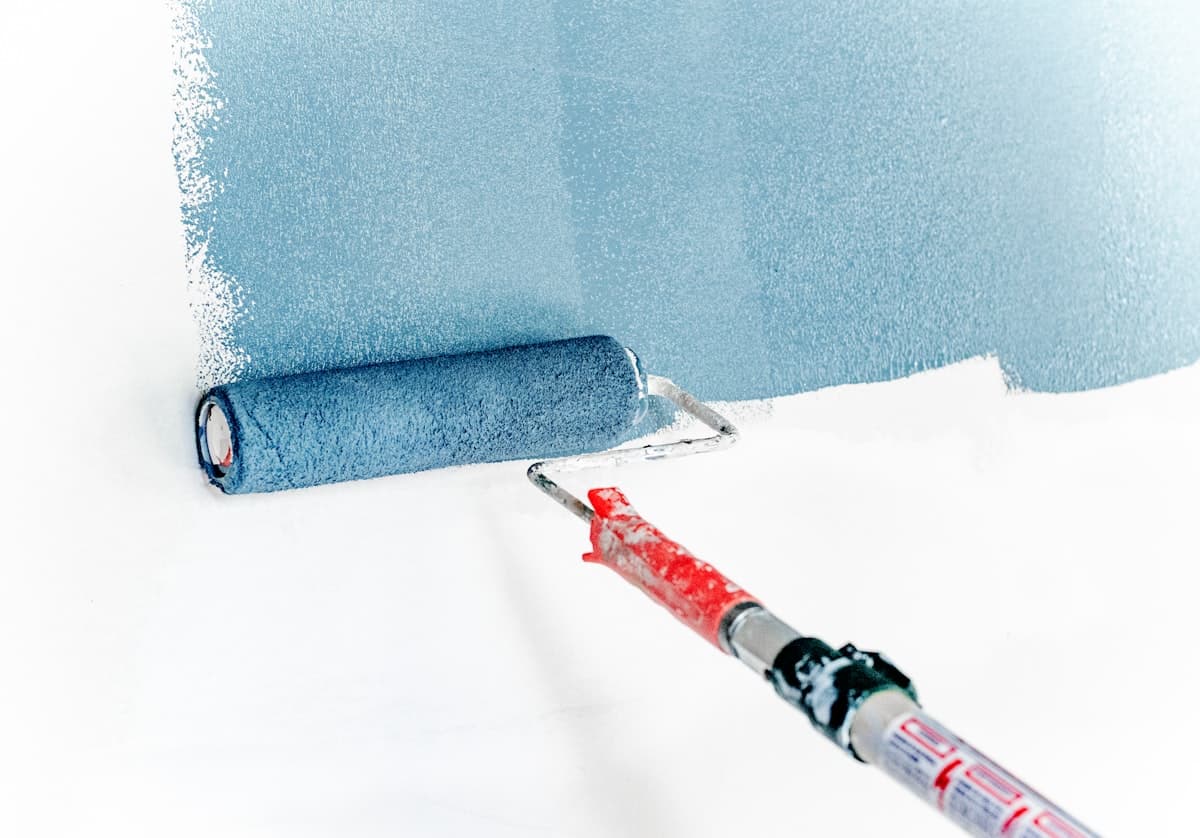
Failed or ageing basement detail — ponding, cracks or active tracking
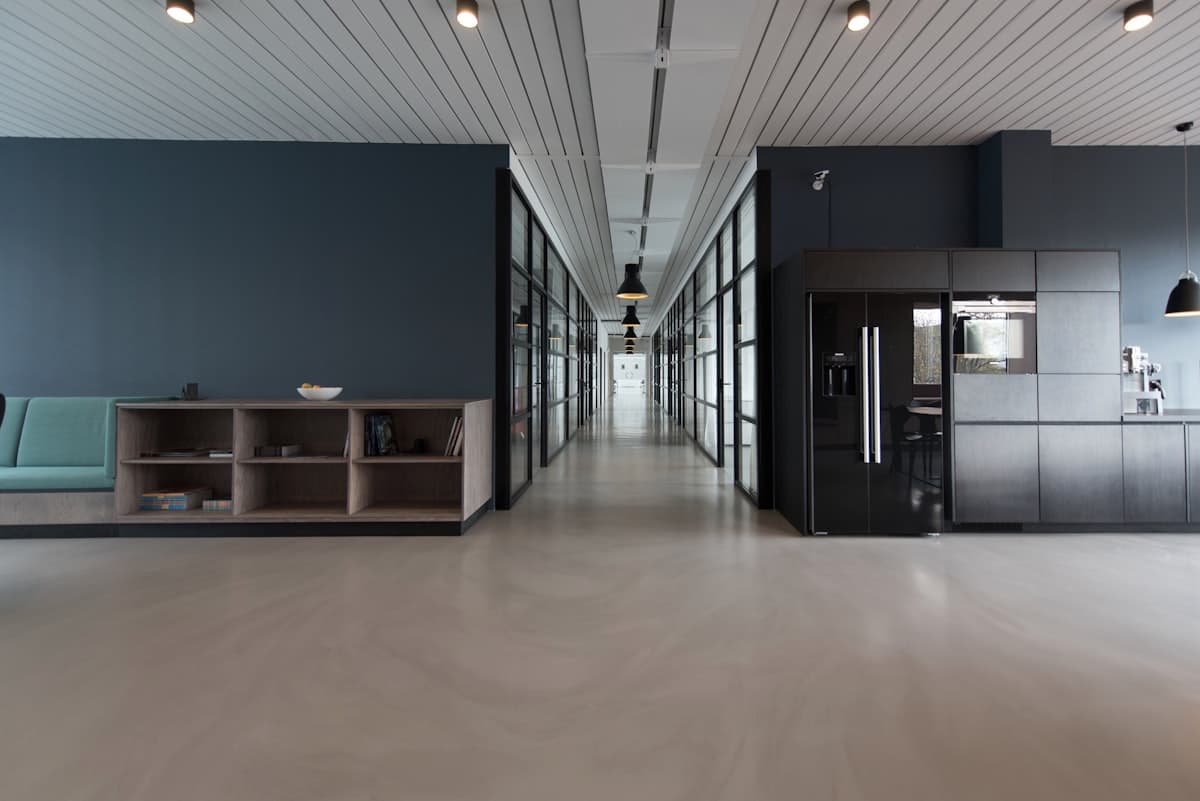
Prepared substrate with continuous basement membrane and dressed details
What is basement waterproofing?
Basement waterproofing protects below-grade spaces — car parks, podiums, plant rooms and storage basements — from groundwater, lateral soil moisture and failed tanking. Methods include positive-side membranes applied before backfill, negative-side crystalline coatings on the interior face, injection grouting at active leaks and coordination with drainage boards and sump systems. Scope depends on whether the basement is occupied, the water-table level and whether repair happens during construction or on an existing building with tenants and vehicles in place.
Why UAE buildings need it
Many UAE commercial towers and villa communities include podium levels and basements for parking and MEP plant. Coastal sites and high water-table zones in Sharjah and northern emirates push hydrostatic pressure against slab soffits and wall joints. Poor curing and construction joints in podium decks let water enter during wadi-style rain events. Negative-side repairs are often the only option once landscaping and ramps are built. Heat does not stop groundwater — basements fail quietly until stains, efflorescence and corroded reinforcement appear.
Quick answers
What property owners ask first
Direct answers written for search and AI assistants — then read the full sections below for detail.
What is basement waterproofing?
Basement waterproofing stops water entering below-grade spaces through walls, slabs and joints. It may use external membranes, internal crystalline coatings, injection grouting or drainage systems depending on access and water pressure. It protects car parks, plant rooms and storage from groundwater and rain ingress.
Why is basement waterproofing needed in the UAE?
UAE podiums and basements face groundwater, hydrostatic pressure and rain runoff from ramps and landscapes. Construction joints and failed tanking let water reach car parks and MEP rooms. Coastal and high water-table sites increase risk. Below-grade leaks damage vehicles, equipment and structural steel if ignored.
How much does basement waterproofing cost in the UAE?
Cost varies sharply by access, occupancy, water pressure and method — injection-only repair differs from full external excavation. Podium size, traffic management and strip-out add to scope. Quotes vary; site inspection and often trial injection zones are needed before firm pricing.
How long does basement waterproofing last?
External membranes on new build can last 20–30 years. Interior injection and negative-side systems often perform 5–15 years depending on pressure and maintenance. Drainage must stay clear. Regular inspection of joints and sumps catches problems before widespread damage.
The problem we solve
Basements and podiums face hydrostatic pressure, rising damp and failed tanking. Water ingress damages stored goods and MEP rooms.
- Active leaks at construction and cold joints in podium slabs
- Hydrostatic pressure forcing water through porous concrete walls
- Failed external tanking damaged during backfill or ramp works
- Rising damp and efflorescence on basement partition walls
- Leaking expansion joints between basement and ramp structures
- MEP penetrations through basement walls without proper water stops
- Drainage layer blocked or absent on retrofit projects
Our solution
Negative- or positive-side barriers, injection grouting and drainage coordination based on occupancy and water-table conditions.
Signs you need basement work
- • White efflorescence or damp patches on basement walls
- • Pooled water on car park decks after rain with no obvious drain blockage
- • Rust staining at column bases and reinforcement exposure
- • Musty odour in plant rooms and storage areas
- • Paint and coating failure on below-grade internal walls
- • Water dripping from slab soffits at joint lines
Methods
Basement Waterproofing methods we specify
The right system depends on substrate, exposure and how the area is used — not a one-product pitch.
Negative-side crystalline tanking
Crystalline slurry applied to interior concrete face; crystals grow into pores to block water ingress when external access is impossible.
Polyurethane injection grouting
Hydrophilic or hydrophobic resins injected into active leak paths at cracks and joints — often the first step on occupied basements.
Positive-side sheet membrane
Bituminous or HDPE systems on exterior walls during new build or major excavation — highest reliability when access allows.
Cavity drainage membrane
Studded drainage sheets directing water to a managed drain or sump when full tanking cannot be achieved externally.
Outcomes
Benefits
- Inspection before quoting — no guesswork on scope
- Materials matched to basement exposure and substrate
- Reinforced details at drains, corners and penetrations
- Written warranty on major system installations
- Documentation for FM, insurers and handover packs
Expected lifespan in the UAE
Positive-side systems installed during construction can last 20–30 years when protected from damage. Negative-side and injection repairs typically carry 5–15 year performance depending on water pressure and follow-up maintenance. Ongoing monitoring of drains and sumps is essential — basement waterproofing is a system, not a one-coat fix.
Materials we use
- Crystalline cementitious tanking
- Epoxy and polyurethane injection resins
- Drainage membranes
See also our materials overview and warranty terms.
Professional installation process
- 01
Site inspection
We map moisture paths, substrate condition, drains and penetrations before quoting.
- 02
Surface preparation
Failed coatings are removed, cracks repaired and surfaces primed to manufacturer spec.
- 03
Detail reinforcement
Corners, outlets, pipes and movement joints receive extra membrane layers.
- 04
System application
The specified membrane or coating is applied at correct thickness with cure controls.
- 05
Testing and handover
Flood or hose tests where applicable, photos, warranty documents and maintenance guidance.
Full methodology on our process page.
Cost factors
- • Accessible area and working height
- • Strip-out of failed layers
- • System type and thickness
- • Detail complexity
- • Warranty scope
Basement waterproofing cost swings with access — external excavation around a occupied villa is far costlier than internal crystalline treatment of a single wall zone. Groundwater level, slab thickness, and extent of active flow determine method mix. Pump and drainage additions, structural crack repair, and replastering are common extras. Remote dewatering during works may be needed on deep pods. Quotes without pit tests or wall core moisture readings are speculative. Site inspection with seasonal history — when leaks appear — is essential before pricing.
Read our waterproofing cost guide.
Maintenance advice
- • Annual visual inspection
- • Keep drains clear of debris
- • Repair minor damage before it spreads
- • Follow warranty inspection schedule
Monitor sump pumps and perimeter drains quarterly if installed — sand clogs pits after desert storms. Log wall damp readings seasonally; rising trends mean external water is finding a new path. Keep external grading sloped away from light wells and basement entrances. Service door thresholds and shaft seals before winter rains. Avoid storing goods directly on floor slabs; use pallets to spot early moisture. Inspect injection ports if previously repaired — resins can fatigue at moving joints.
Expert tips
- • Do not tile or paint over damp substrates
- • Compare quotes by written scope not headline price
- • Photograph the area before and after works
- • Install observability — moisture sensors at lowest point
- • Prefer external membrane on new builds while access exists
- • Do not convert to living space until one full wet season passes
- • Keep light well drains separate from basement slab drains
- • Document all injection and membrane locations for future trades
- • Coordinate with landscape irrigation — common hidden water source
Industry best practices
Diagnose water entry path before product selection — internal paint on active hydrostatic pressure fails quickly. External negative-side tanking or positive-side membranes during construction are strongest when accessible. For existing basements, combine crack injection, crystalline slurry, and perimeter drainage where feasible. Treat construction joints with waterstop detail or injection resins; they are primary leak highways. Lower internal humidity with ventilation and dehumidification after waterproofing — dry walls prove performance. In coastal sites, expect salt-laden moisture; specify systems rated for chloride exposure. Never block weep paths without providing alternative drainage.
When to call a specialist
Contact a below-grade specialist when you see active wall seepage, white efflorescence spreading, puddles on slab after rain, or sump pump running continuously. Also before converting a damp storage room to living or office use. If prior paint sealers failed within a year, you need structural path diagnosis, not another coat.
Aftercare in the first weeks
After internal tanking, allow full cure before replastering or installing gypsum — trapped moisture in new finishes masks ongoing leaks. Run dehumidifiers as advised for the first month. Avoid drilling through treated walls until cure confirmation. Watch sump and drain discharge for the first heavy rain event.
Patch, partial, or full system?
Is injection enough, or do I need a full basement waterproofing system?
Patch when
Crack injection suits isolated active cracks with sound surrounding concrete and a clear moisture path. Pair it with drain and joint checks so you are not chasing water that travels around the injected line.
Full system when
Specify tanking, membranes or composite systems when seepage is multi-zone, groundwater head is persistent, or podium/planter drains above feed the basement. Injection alone will not fix landscape drainage failures.
Avoid
Avoid coating damp walls without diagnosing head pressure and drainage. Cosmetic sealers trap moisture and delay the structural or membrane work that stops the source.
Options compared
| Option | Best for | Watch out |
|---|---|---|
| External bituminous tanking | New construction with excavation access around walls | Damage during backfill if protection board omitted |
| Crystalline internal slurry | Negative-side damp walls without active pressure | Limited effect on through-cracks with moving structure |
| Perimeter drainage + sump | Recurring hydrostatic pressure on deep pods | Pump maintenance neglected leads to repeat flooding |
| Polyurethane injection | Active water at localized cracks and joints | Temporary if structural movement continues |
Owner checklist
- Record when leaks occur — storm, tide, or irrigation related
- Test wall and slab moisture at multiple heights
- Identify construction joints and prior repair locations
- Confirm whether external excavation is physically feasible
- Specify combined approach if hydrostatic pressure is present
- Plan temporary dewatering if active flow during works
- Protect MEP penetrations in scope — not afterthought patches
- Agree replastering and floor reinstatement responsibilities
- Schedule post-rain inspection within first season
Common mistakes to avoid
These errors shorten membrane life and turn small leaks into slab or ceiling repairs.
- Painting over active leaks without injection or drainage relief
- Ignoring hydrostatic pressure and expecting a thin coating to hold
- Damaging external membranes during landscaping or ramp construction
- Blocking cavity drains during later fit-out works
- Treating symptoms at one crack while water enters at another joint
- Skipping structural assessment when cracks are movement-related
Why choose our basement service
- Diagnosis of water source: positive pressure, capillary rise or defect
- Solutions for occupied basements with minimal shutdown time
- Coordination with FM on drainage, sumps and traffic management
- Experience on UAE podiums, car parks and plant rooms
- Written scope distinguishing injection, tanking and drainage works
Frequently asked questions
Additional detail beyond the quick answers above. Still unsure? Request an inspection.
How long does basement waterproofing take?
Timelines depend on area, prep needs and cure times. A typical villa bathroom may take 3–5 days including flood test; a full roof refurbishment can take 1–3 weeks.
Do you provide warranty on basement work?
Yes — major system installations include written warranty terms. Scope and exclusions are stated in your quote.
Which emirates do you cover for basement waterproofing?
We serve Dubai, Abu Dhabi, Sharjah and all northern emirates. Remote industrial sites are scheduled by arrangement.
Can basement leaks be fixed without excavation?
Often yes — negative-side crystalline coatings, injection grouting and internal drainage can work when external access is blocked. Success depends on accurate diagnosis of water pressure and entry paths.
Is basement waterproofing the same as damp proofing?
No. Damp proofing resists soil moisture; waterproofing handles liquid water under pressure. UAE basements with active ingress need full waterproofing or drainage relief, not a thin damp-proof coat.
Do you work in occupied car parks?
Yes — we phase works around traffic, use low-odour products where required and coordinate with FM on lane closures and safety barriers.
Can basement waterproofing be done from inside only?
Often yes for dampness and moderate seepage using crystalline or cementitious systems plus local injection. Active hydrostatic pressure usually needs drainage relief or external work. Internal-only promises without path diagnosis frequently fail within one rainy season.
Why do UAE basements leak if rainfall is low?
Rain bursts are intense; poor external grading, irrigation overspray, and high groundwater in some coastal zones drive water against walls. Capillary rise through blockwork also occurs in older pods without adequate DPC continuity.
Is waterproof paint enough for basement walls?
Decorative tanking paints block mild damp temporarily but not pressurized water at cracks. They are a finish layer on a system, not the system itself. Pressurized leaks need crack repair, joint treatment, or external tanking per inspection findings.
Related services
Foundation Waterproofing
We deliver foundation waterproofing for property owners and facility teams who need lasting protection in UAE heat, UV and seasonal rain — not a quick coat that fails in two summers.
Concrete Waterproofing
We deliver concrete waterproofing for property owners and facility teams who need lasting protection in UAE heat, UV and seasonal rain — not a quick coat that fails in two summers.
Crack Repair
We deliver crack repair for property owners and facility teams who need lasting protection in UAE heat, UV and seasonal rain — not a quick coat that fails in two summers.
Ready for professional basement waterproofing?
Book a free inspection. We diagnose first, then send a clear written scope — no vague per-sqm promises.