
Kitchen Waterproofing · UAE waterproofing service
Kitchen Waterproofing for Daily Moisture Zones
We deliver kitchen waterproofing for property owners and facility teams who need lasting protection in UAE heat, UV and seasonal rain — not a quick coat that fails in two summers. Looking for kitchen waterproofing in Dubai or across the Emirates? We inspect first, then specify a system matched to UAE heat, UV and how the surface is used.
Kitchen leaks in UAE homes often get misdiagnosed as appliance faults when the real issue is missing or thin membrane under the floor tile, a failed sink penetration, or water tracking from an adjacent laundry line. You need to decide whether moisture is coming from supply lines, drainage, or splash zones near the sink and dishwasher. Kitchen floors see grease, cleaning chemicals, and chair movement — membrane choice and detailing differ from bathrooms. In open-plan villas, a kitchen leak can damage living areas and built-in cabinetry before it reaches a ceiling below. Use this guide to scope wet and splash zones correctly.
Prefer messaging? Request a quote · Contact us · Warranty
Inspection-led scope
Diagnose before quoting
Written warranties
Terms on major systems
UAE-ready systems
Heat, UV and rain
All seven emirates
Villas to warehouses
Questions about coverage? See our warranty terms and process.
Results
What changes after a proper system
Representative before/after stages — real project photos available during quoting.
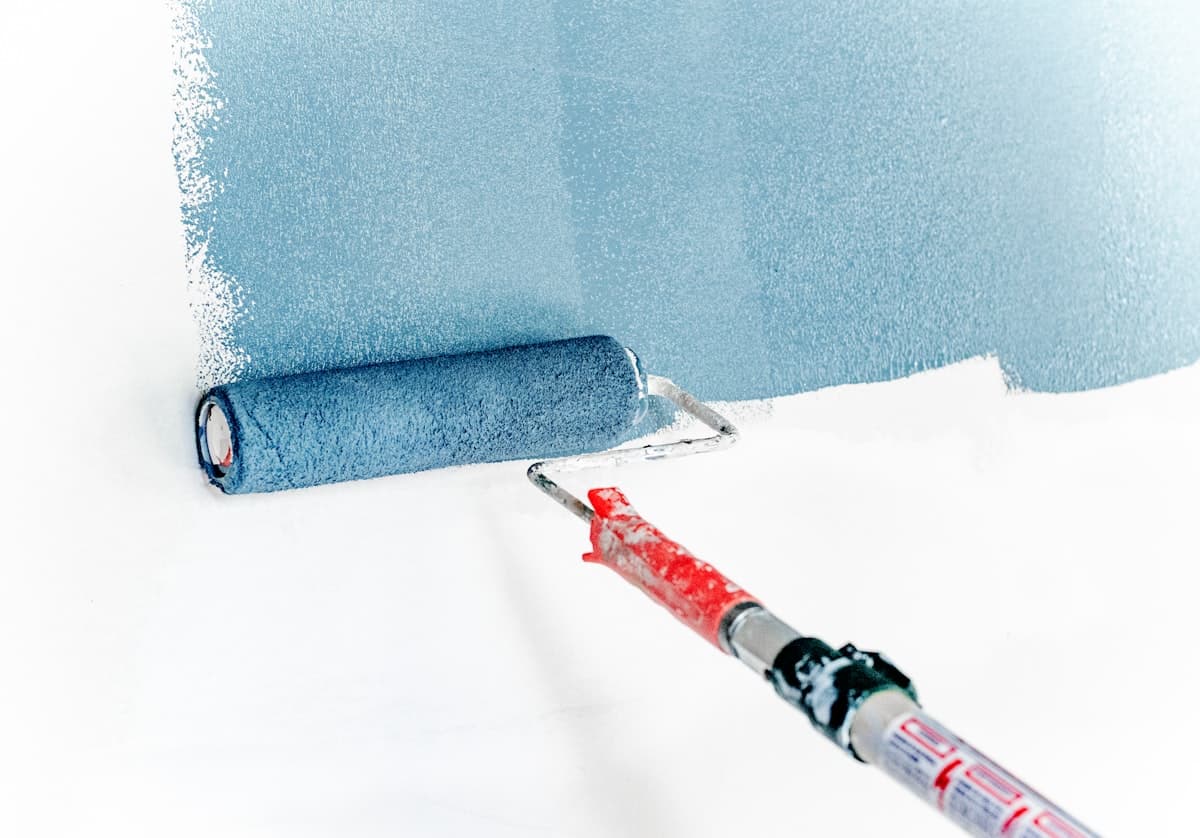
Failed or ageing kitchen detail — ponding, cracks or active tracking
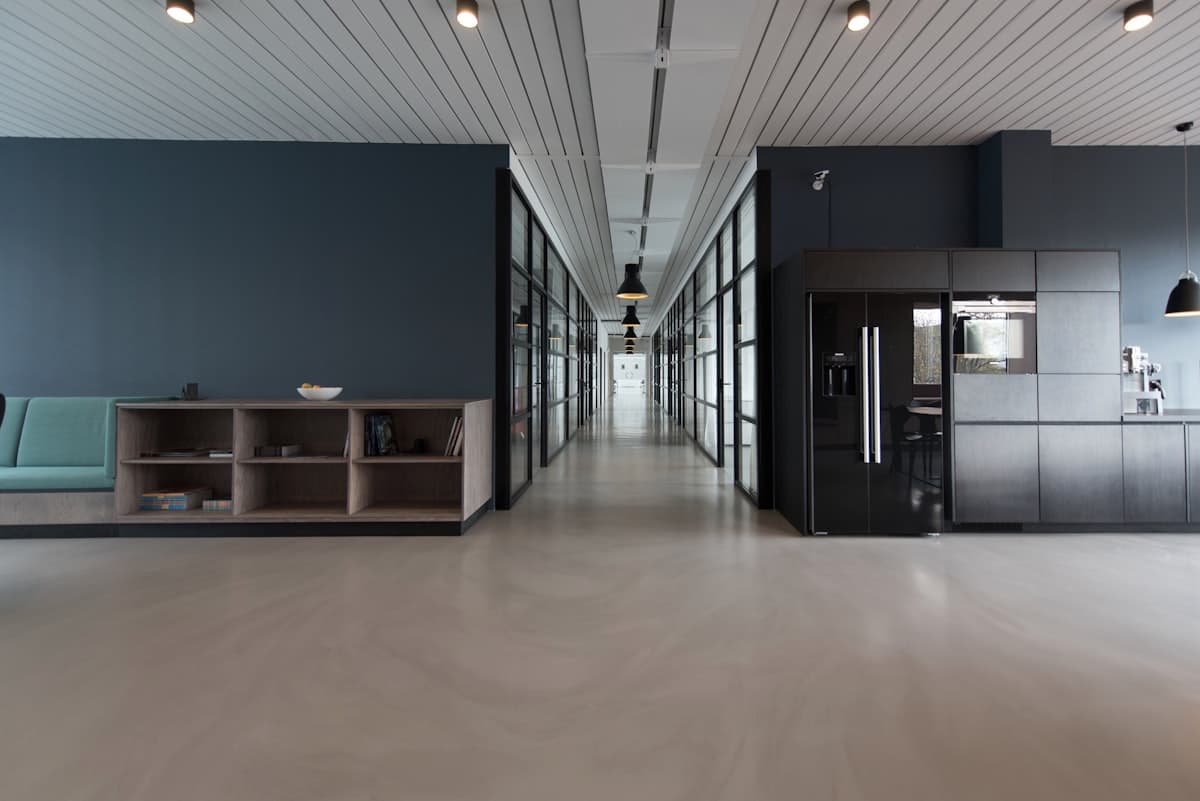
Prepared substrate with continuous kitchen membrane and dressed details
What is kitchen waterproofing?
Kitchen waterproofing targets the wet zones where water actually concentrates — behind and under sinks, along floor-to-wall junctions, around dishwashers and at pipe penetrations through slabs. Unlike full bathroom systems, kitchen scope is often localised but must tie into the broader wet-area strategy, especially in open-plan layouts where the kitchen shares a floor level with living areas above occupied spaces. Membranes are applied to cured screed before cabinetry and tiles, with reinforced fillets at corners and compatible sealants at service penetrations.
Why UAE buildings need it
UAE kitchens run dishwashers, boiling kettles and sink spray year-round, creating steady moisture at cabinets and slab edges. In apartments, the kitchen often sits directly above a neighbour's bedroom. Slow drips from supply lines and blocked sink overflows soak into screed when no membrane exists. Open-plan villa kitchens share floor levels with majlis areas — a leak at the sink cabinet can spread far before it is noticed. High humidity slows drying if leaks are trapped under stone or ceramic finishes.
Quick answers
What property owners ask first
Direct answers written for search and AI assistants — then read the full sections below for detail.
What is kitchen waterproofing?
Kitchen waterproofing is a flexible membrane applied to floor and junction areas where sinks, dishwashers and pipes create daily moisture risk. It is usually localised to wet zones rather than the whole kitchen, and is installed on cured screed before tiles and cabinets. It prevents water reaching screed and rooms below.
Why is kitchen waterproofing needed in the UAE?
UAE apartments stack kitchens above bedrooms. Slow sink drips and dishwasher leaks soak into screed when no membrane exists. Open-plan villas combine kitchen and living on one slab. Humidity and year-round use mean moisture is constant — grout and silicone alone cannot protect the structure below.
How much does kitchen waterproofing cost in the UAE?
Cost depends on wet-zone area, whether the kitchen is part of a wider renovation, strip-out needs and building access. A sink run only is far smaller in scope than a full open-plan wet envelope. Quotes vary — inspection is required before pricing.
How long does kitchen waterproofing last?
Membranes protected under tiles and not punctured during later works typically last 12–20 years. Most failures follow cabinet installation damage, unsealed pipe penetrations or slow supply leaks that were never fixed. Checking under sinks annually extends trouble-free performance.
The problem we solve
Kitchen wet zones see daily moisture. Skipped membranes under tiles lead to swollen cabinetry and ceiling stains in units below.
- No membrane under sink run and dishwasher bay
- Water pooling at the back of base cabinets from loose sink clips
- Failed silicone at floor-to-wall tile junctions behind units
- Leaks at gully connections and washing machine standpipes
- Screed saturation from slow supply line drips over months
- Open-plan layouts where kitchen and living share one slab fall
- Renovation that replaces cabinets but not the substrate membrane
Our solution
Targeted wet-area membranes behind sinks and along floor/wall junctions, integrated with bathroom systems in open-plan layouts.
Signs you need kitchen work
- • Swollen or warped base unit panels near the sink
- • Stains on the ceiling of the unit below the kitchen
- • Musty smell inside closed lower cabinets
- • Loose or lifting floor tiles at the sink front edge
- • Persistent damp at the kitchen shared wall with a bathroom
- • Water marks appearing after dishwasher or washing machine use
Methods
Kitchen Waterproofing methods we specify
The right system depends on substrate, exposure and how the area is used — not a one-product pitch.
Localised wet-zone membrane
Flexible cementitious or liquid membrane across the sink run, dishwasher space and floor junctions — typically 1–2 metres beyond the water source.
Integrated kitchen-bathroom system
Continuous membrane from bathroom through open-plan kitchen where slabs connect, ensuring one tested wet-area envelope.
Penetration sealing programme
Collars and sealants at every pipe and drain penetration through the kitchen slab before finishes are reinstated.
Outcomes
Benefits
- Inspection before quoting — no guesswork on scope
- Materials matched to kitchen exposure and substrate
- Reinforced details at drains, corners and penetrations
- Written warranty on major system installations
- Documentation for FM, insurers and handover packs
Expected lifespan in the UAE
Kitchen zone membranes installed before tiles and protected from later punctures typically match the life of the floor finish — 12–20 years. Damage from drilling into floors for new plumbing or dragging heavy units without protection causes most mid-life failures. Annual checks under sink cabinets catch slow drips early.
Materials we use
- Flexible cementitious membranes
- Liquid-applied wet zone coats
- Drain detail kits
See also our materials overview and warranty terms.
Professional installation process
- 01
Site inspection
We map moisture paths, substrate condition, drains and penetrations before quoting.
- 02
Surface preparation
Failed coatings are removed, cracks repaired and surfaces primed to manufacturer spec.
- 03
Detail reinforcement
Corners, outlets, pipes and movement joints receive extra membrane layers.
- 04
System application
The specified membrane or coating is applied at correct thickness with cure controls.
- 05
Testing and handover
Flood or hose tests where applicable, photos, warranty documents and maintenance guidance.
Full methodology on our process page.
Cost factors
- • Accessible area and working height
- • Strip-out of failed layers
- • System type and thickness
- • Detail complexity
- • Warranty scope
Kitchen waterproofing pricing reflects how much flooring and cabinetry must move. A new build wet zone is simpler than retrofit under installed units. Splash-wall height, number of penetrations, and need for screed repair drive labour. Some quotes cover membrane only; tile, cabinet removal, and plumbing isolation are extras. High-rise kitchens add access and protection costs. Inspection is required to see whether leak is membrane-related or plumbing — opening cabinets and moisture testing informs scope. Avoid fixed lump sums without defined wet zone drawing.
Read our waterproofing cost guide.
Maintenance advice
- • Annual visual inspection
- • Keep drains clear of debris
- • Repair minor damage before it spreads
- • Follow warranty inspection schedule
Inspect under-sink cabinets monthly for damp boards or odour — early catch avoids floor rot. Replace flex hoses and dishwasher inlet lines on a fixed schedule; they burst more often than membranes fail. Wipe standing water at sink edges; repeated puddles mean gradient or seal failure. Re-seal countertop-to-wall joints when silicone discolours or peels. Avoid dragging heavy appliances across tile without protection. If you change sink layout, reopen waterproofing at new penetrations.
Expert tips
- • Do not tile or paint over damp substrates
- • Compare quotes by written scope not headline price
- • Photograph the area before and after works
- • Install a dedicated floor drain in large open kitchens where feasible
- • Use metal braided hoses instead of cheap flex lines
- • Keep dishwasher and filter penetrations in one documented detail sheet
- • Separate plumbing pressure test from waterproofing flood test
- • Choose darker grout in splash zones to spot early staining
- • Schedule waterproofing before final cabinet install — not after
Industry best practices
Define splash zones: under sink cabinet floor, rear splash wall to socket height, and floor area within one metre of sink and dishwasher. Use flexible, chemical-resistant membranes where grease and detergents concentrate. Seal every pipe penetration with compatible collars; flex hoses fail often and need accessible inspection panels. Slope screed gently toward a floor drain if present — many villa kitchens omit drains and rely on grout alone, which is risky. Coordinate with kitchen fit-out: dishwasher waste, water filters, and ice lines need sleeves before cabinetry closes. Do not assume bathroom-rated products suit kitchen chemical exposure without datasheet confirmation.
When to call a specialist
Call when cabinet bases swell, floor tiles sound hollow near the sink, or the unit below reports ceiling stains aligned with your kitchen. Also before installing heavy stone countertops or new islands that add penetrations. If renovation plans move the sink, treat waterproofing as part of the plumbing package, not an optional add-on.
Aftercare in the first weeks
After membrane cure and tile reinstall, delay dishwasher and washing machine use until grout and sealant have set. Keep heavy items off freshly tiled areas at sink front for several days. Monitor under-sink for 48 hours after restoring water supply. Report any water at kick-plate level immediately.
Patch, partial, or full system?
Can I patch a kitchen leak, or renew the full wet-area membrane?
Patch when
Local patching can work when a single pipe collar or sink chase failed, surrounding membrane is continuous under tiles, and flood testing isolates the breach. Keep the rest of the floor field intact only after moisture mapping confirms no lateral tracking into cabinets or the unit below.
Full system when
Renew under-tile membrane when hollow tiles, widespread efflorescence, or repeated neighbour complaints show the old wet-area system has reached end of life. Renovation is the cheapest moment — cabinets and tiles are already mobilised.
Avoid
Do not silicone over floor-wall junctions or paint stain-blocking primer as waterproofing. Those hide symptoms and leave stacked towers exposed to the next shower cycle.
Options compared
| Option | Best for | Watch out |
|---|---|---|
| Splash-zone membrane only | New kitchens with good screed and defined wet areas | Too narrow a zone leaves chair-scrape paths unprotected |
| Full kitchen floor membrane | Open plans and ground-floor units with ceiling risk below | Higher cost; still needs good transitions at adjoining rooms |
| Under-sink pan liner | Quick protection at cabinet base around sink carcass | Does not replace floor membrane if drain or tile bed leaks |
| Epoxy grout with membrane | High-use kitchens wanting easier surface maintenance | Epoxy does not fix missing membrane below tile |
Owner checklist
- Mark splash zone floor and wall boundaries on plan before quote
- Confirm cabinet removal and reinstatement scope with contractor
- Test sink and dishwasher waste lines before membrane application
- Use pipe collars at every penetration through membrane
- Verify screed moisture and repair cracks at cabinet legs
- Align membrane product with expected cleaning chemicals
- Agree who reinstates tiles and plinths after membrane works
- Inspect under-sink access panel remains reachable post-fit-out
- Document membrane layers before cabinets return
Common mistakes to avoid
These errors shorten membrane life and turn small leaks into slab or ceiling repairs.
- Waterproofing the bathroom but leaving the adjacent kitchen zone bare
- Installing cabinets before the membrane has cured
- Relying on silicone at the sink rim instead of an under-tile membrane
- Not sealing pipe penetrations before screed is covered
- Using rigid products at the floor-to-wall junction behind units
- Assuming stone or large-format tile does not need a membrane below
Why choose our kitchen service
- Scope mapped to actual water sources — not a generic bathroom template
- Coordination with kitchen fit-out and tile schedules
- Low-odour products suitable for occupied apartments
- Inspection of slab and supply lines before membranes are applied
- Clear handover notes for cabinet installers on protection
Frequently asked questions
Additional detail beyond the quick answers above. Still unsure? Request an inspection.
How long does kitchen waterproofing take?
Timelines depend on area, prep needs and cure times. A typical villa bathroom may take 3–5 days including flood test; a full roof refurbishment can take 1–3 weeks.
Do you provide warranty on kitchen work?
Yes — major system installations include written warranty terms. Scope and exclusions are stated in your quote.
Which emirates do you cover for kitchen waterproofing?
We serve Dubai, Abu Dhabi, Sharjah and all northern emirates. Remote industrial sites are scheduled by arrangement.
Should I waterproof the kitchen if the bathroom is already done?
Yes — bathrooms and kitchens have different wet patterns. A waterproof bathroom does not protect the sink run or dishwasher bay. Open-plan layouts often need a continuous envelope across both zones.
Can kitchen waterproofing be done without removing all cabinets?
Partial access may allow localised repair, but a reliable new membrane usually requires exposing the screed in the wet zone. We inspect and advise the least disruptive option that still gives a tested result.
Does kitchen waterproofing affect tile choice?
Membrane type must be compatible with your tile adhesive and stone or ceramic format. We confirm compatibility before application so delamination does not occur after handover.
Is kitchen waterproofing mandatory in UAE villas?
Regulations and developer specs vary, but best practice treats splash zones as wet areas. Many leaks occur where owners assumed tiles alone were enough. For ground-floor kitchens with rooms below, membrane under splash zones is strongly advised regardless of minimum code.
Should I waterproof under the dishwasher?
Yes — dishwasher waste connections and overflow paths need membrane continuity under adjacent floor tiles and at the penetration. Install before the appliance is slid into final position; retrofits require pulling the unit and often nearby tiles.
Can I use bathroom membrane products in the kitchen?
Only if the datasheet lists kitchen chemical resistance and the expected temperature range. Kitchens face grease and alkaline cleaners that some bathroom cementitious products tolerate poorly. Match system to environment and obtain manufacturer approval in writing.
Related services
Bathroom Waterproofing
We deliver bathroom waterproofing for property owners and facility teams who need lasting protection in UAE heat, UV and seasonal rain — not a quick coat that fails in two summers.
Apartment Waterproofing
We deliver apartment waterproofing for property owners and facility teams who need lasting protection in UAE heat, UV and seasonal rain — not a quick coat that fails in two summers.
Ready for professional kitchen waterproofing?
Book a free inspection. We diagnose first, then send a clear written scope — no vague per-sqm promises.