
Leak Detection · UAE waterproofing service
Leak Detection Before You Patch the Wrong Area
We deliver leak detection for property owners and facility teams who need lasting protection in UAE heat, UV and seasonal rain — not a quick coat that fails in two summers. Looking for leak detection in Dubai or across the Emirates? We inspect first, then specify a system matched to UAE heat, UV and how the surface is used.
Leak detection answers where water enters before you spend on unnecessary strip-outs. Owners facing mystery damp, insurance surveys, or pool water loss need methods matched to the structure — infrared, tracer gas, acoustic, dye, or electronic membrane testing. Wrong guesswork opens intact tiles or roofs and still misses the path. In UAE towers, leaks travel horizontally through screed before dropping on a ceiling far from source. You need a report that maps likely origin with evidence, not a sales pitch for immediate waterproofing. This section explains when each detection method earns its fee.
Prefer messaging? Request a quote · Contact us · Warranty
Inspection-led scope
Diagnose before quoting
Written warranties
Terms on major systems
UAE-ready systems
Heat, UV and rain
All seven emirates
Villas to warehouses
Questions about coverage? See our warranty terms and process.
Results
What changes after a proper system
Representative before/after stages — real project photos available during quoting.
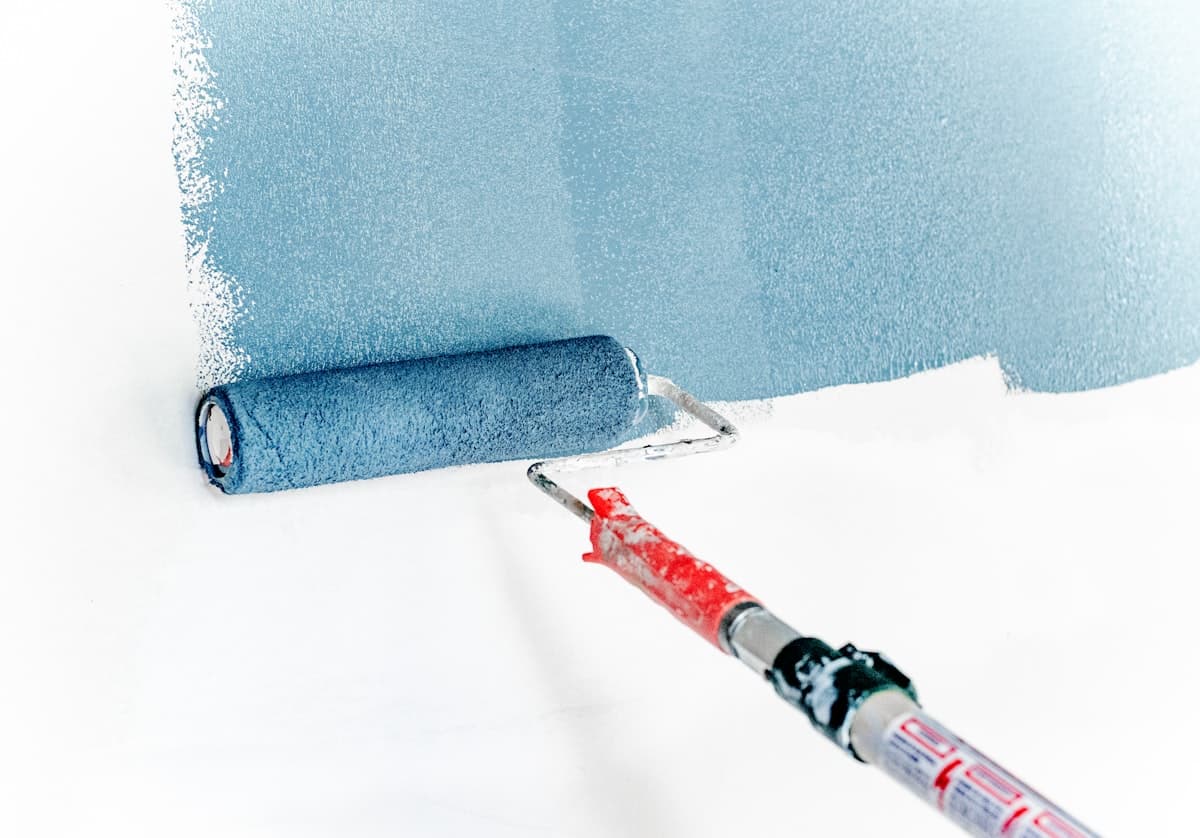
Failed or ageing leak detection detail — ponding, cracks or active tracking
Prepared substrate with continuous leak detection membrane and dressed details
What is leak detection?
Leak detection is systematic diagnosis to find where water actually enters a structure — before invasive repair or random patching begins. Methods include visual and historical review, moisture meters, thermal imaging, hose and flood testing, tracer dyes and targeted small openings only where evidence supports them. The output is a written report mapping likely entry paths, recommended next steps and what does not need opening. It saves cost when stains appear far from the source.
Why UAE buildings need it
UAE properties leak in ways that confuse owners — a majlis stain may come from a terrace door three metres away, or AC condensate running inside a wall cavity. Winter rain produces seasonal leaks that dry in summer, hiding the path. Contractors quote roof coating without testing the bathroom above. Thermal imaging works best when AC is running or after controlled wetting — conditions common in UAE occupied buildings. Random tile removal in the wrong room wastes budget and delays real repair.
Quick answers
What property owners ask first
Direct answers written for search and AI assistants — then read the full sections below for detail.
What is leak detection?
Leak detection is professional diagnosis to find where water enters a building before repair work starts. It uses moisture meters, thermal imaging, hose testing and tracer dyes. It produces a written report mapping entry paths — avoiding random patching and unnecessary strip-out.
Why is leak detection needed in the UAE?
UAE leaks often show far from their source — terrace doors, bathrooms and AC lines confuse diagnosis. Seasonal rain hides paths in dry months. Random roof coating wastes money when the bathroom above is failing. Detection finds the real entry point first.
How much does leak detection cost in the UAE?
Cost depends on property size, number of affected zones, test methods needed and report format for insurance or legal use. A single apartment differs from a whole villa or tower zone. Quotes vary; brief call and photos help scope before site visit.
How long does leak detection last?
Detection is a diagnostic visit — typically a few hours to one day depending on complexity. The report guides repair that should last years once the correct source is fixed. Re-testing after repair confirms success.
The problem we solve
Visible stains rarely mark the entry point. Random patching without diagnosis wastes money and often makes tracing harder.
- Ceiling stain location far from actual water entry point
- Multiple contractors quoting different sources without testing
- Seasonal leaks that disappear in dry months before diagnosis
- AC condensate and plumbing misidentified as waterproofing failure
- Previous patch repairs making moisture paths harder to trace
- Building management pressure to fix visible stain only
- Insurance claims stalled without professional detection report
Our solution
Systematic inspection — moisture mapping, hose testing, thermal imaging and targeted opening only where evidence supports it.
Signs you need leak detection work
- • Recurring stain in the same place after previous repair elsewhere
- • Leak appears only during rain or only when shower is used
- • Multiple rooms affected but no obvious plumbing burst
- • Dispute between owner and contractor over leak source
- • Insurance or legal process requiring expert report
- • Planning major renovation and need to know what to fix first
Methods
Leak Detection methods we specify
The right system depends on substrate, exposure and how the area is used — not a one-product pitch.
Moisture mapping survey
Non-destructive meter readings across affected zones to build a moisture pattern map.
Thermal imaging inspection
Infrared camera survey when temperature differences reveal hidden moisture paths in walls and ceilings.
Controlled hose and flood testing
Water applied systematically to roof, terrace, balcony or wet areas while monitoring below.
Tracer dye and drain testing
Dyed water in showers, basins and drains to confirm or rule out plumbing vs membrane failure.
Outcomes
Benefits
- Inspection before quoting — no guesswork on scope
- Materials matched to leak detection exposure and substrate
- Reinforced details at drains, corners and penetrations
- Written warranty on major system installations
- Documentation for FM, insurers and handover packs
Expected lifespan in the UAE
Leak detection itself is a one-time diagnostic service — its value is in accurate scope for repair that then lasts as long as the chosen waterproofing system. A good detection report prevents repeat callbacks and wasted strip-out. Re-testing after major repair confirms the entry path is closed.
Materials we use
- Moisture meters and thermal cameras
- Trace dyes and hose test equipment
- Non-destructive survey tools
See also our materials overview and warranty terms.
Professional installation process
- 01
Site inspection
We map moisture paths, substrate condition, drains and penetrations before quoting.
- 02
Surface preparation
Failed coatings are removed, cracks repaired and surfaces primed to manufacturer spec.
- 03
Detail reinforcement
Corners, outlets, pipes and movement joints receive extra membrane layers.
- 04
System application
The specified membrane or coating is applied at correct thickness with cure controls.
- 05
Testing and handover
Flood or hose tests where applicable, photos, warranty documents and maintenance guidance.
Full methodology on our process page.
Cost factors
- • Accessible area and working height
- • Strip-out of failed layers
- • System type and thickness
- • Detail complexity
- • Warranty scope
Detection pricing depends on method, area, and access — single bathroom dye test differs from full roof electronic scan. Night thermal imaging may be needed for occupied towers. Reports for insurance add documentation time. Quoted detection without defined success criteria wastes money — scope should state methods attempted and deliverables.
Read our waterproofing cost guide.
Maintenance advice
- • Annual visual inspection
- • Keep drains clear of debris
- • Repair minor damage before it spreads
- • Follow warranty inspection schedule
After repair, keep detection report in property file for future trades. Re-scan annually on problem roofs as preventive audit. Log water meter isolation tests for pools monthly when loss suspected.
Expert tips
- • Do not tile or paint over damp substrates
- • Compare quotes by written scope not headline price
- • Photograph the area before and after works
- • Use independent specialist when insurance involved
- • Combine roof electronic test before retiling large terraces
- • Pressure-test pool plumbing before shell demolition
- • Keep moisture log in disputed apartment leak cases
- • Do not skip detection on repeat leak after prior patch
- • Archive report with warranty repair for future resale
Industry best practices
Start with client history — when leak appears, weather link, and which levels affected. Use non-destructive scans first — infrared and moisture meters — before invasive openings. For flat roofs, electronic vector mapping locates breaches under overburden without full strip. Pool leaks combine pressure test and dye at fittings. Document findings with photos and floor plans marked. Separate detection contractor from repair contractor when independence matters for insurance. Confirm detection limits — some paths need opening eventually.
When to call a specialist
Call before destructive renovation when leak source is unknown, when insurer requires independent survey, or when pool loses water with no visible crack. If two repair attempts failed, stop and detect.
Aftercare in the first weeks
Use detection report to brief repair contractor with marked plans. Retest after repair where method allows — flood or isolation test confirms fix.
Patch, partial, or full system?
When is leak detection enough on its own — and when must repair follow immediately?
Patch when
Detection-only scopes are valid when you need a report for insurance, strata disputes or tender design before choosing a contractor. Moisture maps and marked drawings are the deliverable.
Full system when
Book repair in the same mobilisation when active water threatens electrics, inventory or neighbouring units. Detection without a repair plan leaves the same drip running while you compare quotes.
Avoid
Avoid full demolition ‘to find the leak’ without mapping. Unnecessary strip-out raises cost and still misses lateral travel through screed.
Use detection when the source is unclear — parking seepage, ceiling stains away from the wet area above, or podium leaks under landscape. The deliverable should be moisture maps and marked drawings, not a verbal guess. Pair detection with a repair decision in the same week when water threatens electrics or neighbours; a report alone does not stop the drip. Share drawings with landscapers and MEP so the next trade does not reopen the same path. Bring prior repair invoices if you have them — they shorten mapping and prevent reopening zones that already failed for a known reason.
Options compared
| Option | Best for | Watch out |
|---|---|---|
| Infrared thermal scan | Roof moisture under membrane and hidden wet screed | Needs suitable temperature differential; not all days work |
| Electronic roof leak detection | Flat roofs with conductive deck under membrane | Requires wet surface protocol; some systems need specific build-up |
| Tracer gas or acoustic | Pressurized pipe leaks in walls and slabs | Access to pipe run endpoints required |
| Dye and flood isolation | Balconies, baths, and pool fittings | Confirms fitting leak but may miss membrane field breaches |
Owner checklist
- Provide leak history timeline and weather correlation
- Grant access to units above and below as needed
- Agree detection methods and report format upfront
- Isolate utilities if tracer gas or pressure tests used
- Protect finished areas during any invasive confirmation
- Require marked-up plans showing probable origin paths
- Separate detection invoice from repair quote initially
- Schedule thermal scan when interior-exterior delta exists
- Plan confirmation opening only at highest-probability points
Common mistakes to avoid
These errors shorten membrane life and turn small leaks into slab or ceiling repairs.
- Patching the stain location without tracing upstream
- Skipping hose test because weather recently rained
- Assuming roof because stain is on top-floor ceiling
- Opening large areas before non-destructive mapping
- Ignoring AC drain paths in villa and apartment diagnoses
- Accepting verbal guesses without written moisture report
Why choose our leak detection service
- Non-destructive methods first — invasive opening only when justified
- Written report with photos for insurers, HOAs and contractors
- Experience separating plumbing, AC, roof and wet-area sources
- Controlled testing protocols that do not flood neighbour units
- Clear repair scope recommendation — not open-ended investigation billing
Frequently asked questions
Additional detail beyond the quick answers above. Still unsure? Request an inspection.
How long does leak detection take?
Timelines depend on area, prep needs and cure times. A typical villa bathroom may take 3–5 days including flood test; a full roof refurbishment can take 1–3 weeks.
Do you provide warranty on leak detection work?
Yes — major system installations include written warranty terms. Scope and exclusions are stated in your quote.
Which emirates do you cover for leak detection?
We serve Dubai, Abu Dhabi, Sharjah and all northern emirates. Remote industrial sites are scheduled by arrangement.
Will leak detection damage my finishes?
Non-destructive methods first. Small targeted openings may be recommended only where evidence supports them — with your approval before proceeding.
Can leak detection find pool shell leaks?
Yes — bucket tests, dye tests at fittings and moisture checks around the shell are standard before quoting pool waterproofing.
Do insurers accept your leak detection reports?
We provide photo-documented reports suitable for many UAE insurer and HOA processes — confirm your policy requirements when booking.
Does leak detection guarantee finding every leak?
No method finds all paths in one visit — report states confidence and recommends next step, including limited opening if non-destructive tests inconclusive. Goal is evidence-based narrowing, not magic.
How long does apartment leak detection take?
Simple wet-area dye tests may finish same day; multi-unit thermal and moisture mapping takes longer with access coordination. Report delivery should be defined in quote — usually within days of site visit.
Should detection and repair be done by the same company?
Convenience yes, independence no — insurers and disputes often prefer separate detection report. If same firm, ensure written separation of survey fee and repair scope.
Is leak detection useful if I already know which bathroom is wet?
Sometimes — water can travel laterally through screed and appear far from the source. Detection is most valuable when the path is unclear: parking seepage, podium leaks, or stains away from the obvious wet area.
What do I receive after a detection visit?
Expect moisture maps, marked drawings or photos of likely paths, and a recommended next scope tier. A verbal guess without documentation is not a complete detection deliverable.
Related services
Crack Repair
We deliver crack repair for property owners and facility teams who need lasting protection in UAE heat, UV and seasonal rain — not a quick coat that fails in two summers.
Roof Waterproofing
We deliver roof waterproofing for property owners and facility teams who need lasting protection in UAE heat, UV and seasonal rain — not a quick coat that fails in two summers.
Swimming Pool Waterproofing
We deliver swimming pool waterproofing for property owners and facility teams who need lasting protection in UAE heat, UV and seasonal rain — not a quick coat that fails in two summers.
Ready for professional leak detection waterproofing?
Book a free inspection. We diagnose first, then send a clear written scope — no vague per-sqm promises.