
Foundation Waterproofing · UAE waterproofing service
Foundation Waterproofing for UAE Ground Conditions
We deliver foundation waterproofing for property owners and facility teams who need lasting protection in UAE heat, UV and seasonal rain — not a quick coat that fails in two summers. Looking for foundation waterproofing in Dubai or across the Emirates? We inspect first, then specify a system matched to UAE heat, UV and how the surface is used.
Foundation waterproofing decisions matter most at new-build stage — once backfill is complete, external membrane access is gone and you live with internal remedies. You need to know whether your project requires positive-side membrane on raft or strip footings, waterstop at kicker joints, and protection board before fill. In UAE coastal and reclaimed plots, groundwater and saline soils accelerate concrete deterioration if the substructure is under-specified. For existing buildings, symptoms show as rising damp in ground-floor walls or efflorescence at slab edges. This section clarifies what belongs in structural waterproofing scope versus damp-proofing minimums.
Prefer messaging? Request a quote · Contact us · Warranty
Inspection-led scope
Diagnose before quoting
Written warranties
Terms on major systems
UAE-ready systems
Heat, UV and rain
All seven emirates
Villas to warehouses
Questions about coverage? See our warranty terms and process.
Results
What changes after a proper system
Representative before/after stages — real project photos available during quoting.
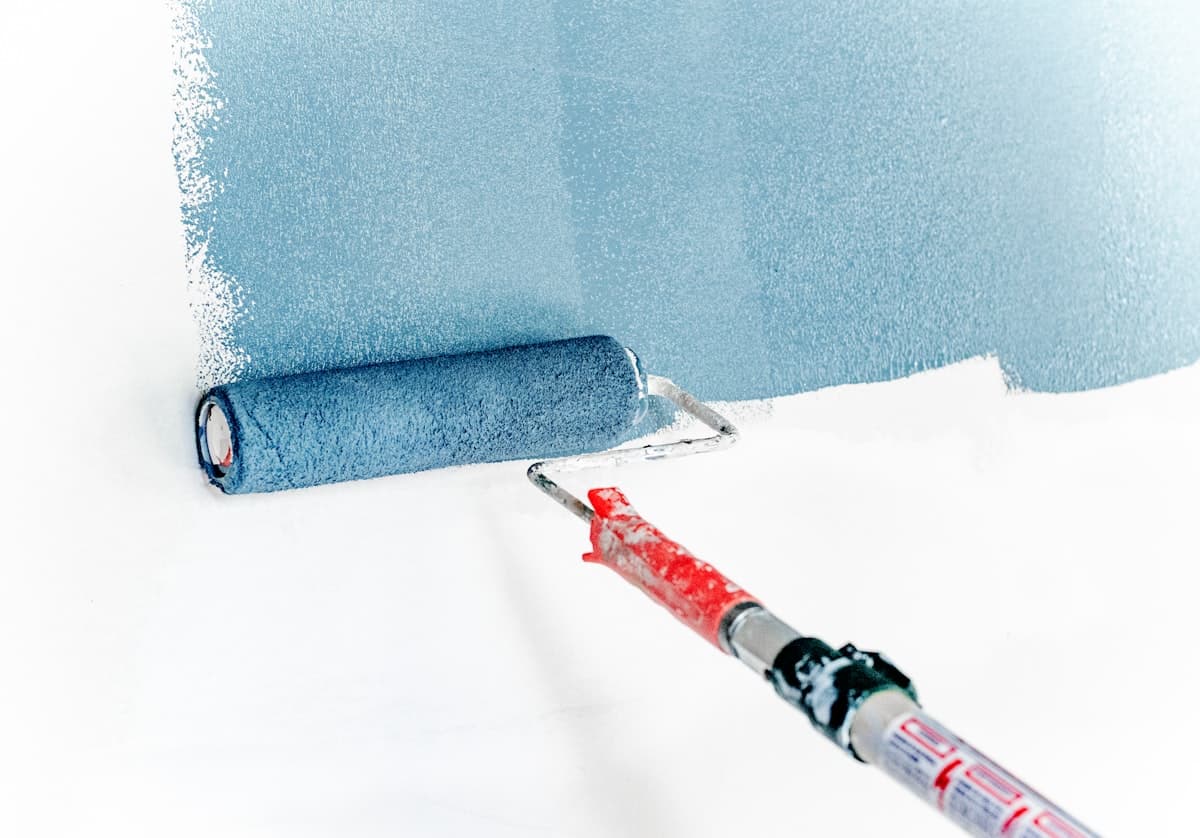
Failed or ageing foundation detail — ponding, cracks or active tracking
Prepared substrate with continuous foundation membrane and dressed details
What is foundation waterproofing?
Foundation waterproofing shields footings, raft slabs and retaining walls from groundwater, capillary rise and soil moisture before and after construction. Pre-construction work applies bituminous sheets, bentonite panels or liquid membranes to green concrete before backfill. Post-construction options include injection, external re-tanking where excavation is feasible and integral crystalline admixtures mixed into repair concrete. The goal is a continuous envelope at the lowest point of the structure — where leaks are hardest and most expensive to fix later.
Why UAE buildings need it
UAE coastal developments and reclaimed land projects sit close to saline groundwater. High water tables in certain Sharjah and northern emirate zones push water against raft foundations year-round. Thermal movement in large raft slabs opens construction joints if water stops are missing. Many villa communities use shallow foundations in wadi-fed soil that saturates during heavy rain. Foundation failures are silent until basement walls stain or floor finishes lift — by then remediation requires major excavation or internal injection programmes.
Quick answers
What property owners ask first
Direct answers written for search and AI assistants — then read the full sections below for detail.
What is foundation waterproofing?
Foundation waterproofing is a barrier system on footings, rafts and below-grade walls that stops groundwater and soil moisture entering the structure. It uses sheet membranes, bentonite, crystalline admixtures or injection depending on construction stage and access. It protects the lowest, hardest-to-repair part of any building.
Why is foundation waterproofing needed in the UAE?
Coastal groundwater, high water tables and wadi-fed soil saturate foundations during rain. Salts attack concrete if water reaches reinforcement. Failed or missing foundation membranes cause ground-floor damp, basement leaks and costly excavation repairs. Prevention at build stage is far cheaper than retrofit.
How much does foundation waterproofing cost in the UAE?
New-build foundation work is priced per metre of wall or square metre of raft, varying by system, depth and backfill access. Retrofit injection or re-tanking with excavation is significantly higher. Quotes vary; drawings and site conditions must be reviewed before pricing.
How long does foundation waterproofing last?
Protected pre-applied systems often last 25+ years. Damaged or omitted membranes fail within years. Injection repairs on existing structures typically perform 5–10 years with monitoring. Lifespan depends on groundwater chemistry, movement and whether the membrane stayed intact during backfill.
The problem we solve
Foundations in high water-table zones or coastal sites need continuous protection. Cracks and cold joints become long-term leak paths.
- Missing or punctured bituminous membrane during backfill
- Cold joints in raft slabs without water stops
- Capillary rise through blockwork in low-lying villa plots
- Salt-contaminated groundwater attacking concrete cover
- Service ducts through foundations without puddle flanges
- Bentonite panels displaced during aggressive backfilling
- Post-construction cracking from settlement and thermal movement
Our solution
Pre- or post-construction membranes, bentonite or bituminous sheets and injection repair for existing structures.
Signs you need foundation work
- • Damp or salty deposits at the base of ground-floor walls
- • Floor tile lifting at ground level in villas
- • Water entering storage rooms built at slab-on-grade
- • Cracking at the junction of footing and stem walls
- • Musty smell in ground-floor closets and store rooms
- • Previous external excavation with temporary leak stoppage only
Methods
Foundation Waterproofing methods we specify
The right system depends on substrate, exposure and how the area is used — not a one-product pitch.
Self-adhesive bituminous sheet
Pre-applied or torch-on sheets on raft and footing walls with lapped seams and protection boards before backfill.
Bentonite panel system
Sodium bentonite panels that swell on water contact — suited to uniform excavation faces with proper panel overlap.
Integral crystalline admixture
Mixed into concrete at pour to reduce permeability — used alone or with surface systems on repairs and new pours.
Post-construction injection
Polyurethane or epoxy injection at active joint and crack leaks when external membranes were damaged or omitted.
Outcomes
Benefits
- Inspection before quoting — no guesswork on scope
- Materials matched to foundation exposure and substrate
- Reinforced details at drains, corners and penetrations
- Written warranty on major system installations
- Documentation for FM, insurers and handover packs
Expected lifespan in the UAE
Pre-applied foundation membranes protected during backfill routinely last the design life of the structure — 25 years and beyond. Exposed or damaged systems fail much sooner. Injection repairs on existing foundations typically warrant 5–10 years depending on movement and groundwater chemistry. Protection during landscaping and utility trenching is critical.
Materials we use
- Bituminous self-adhesive sheets
- HDPE drainage membranes
- Injection polyurethane
See also our materials overview and warranty terms.
Professional installation process
- 01
Site inspection
We map moisture paths, substrate condition, drains and penetrations before quoting.
- 02
Surface preparation
Failed coatings are removed, cracks repaired and surfaces primed to manufacturer spec.
- 03
Detail reinforcement
Corners, outlets, pipes and movement joints receive extra membrane layers.
- 04
System application
The specified membrane or coating is applied at correct thickness with cure controls.
- 05
Testing and handover
Flood or hose tests where applicable, photos, warranty documents and maintenance guidance.
Full methodology on our process page.
Cost factors
- • Accessible area and working height
- • Strip-out of failed layers
- • System type and thickness
- • Detail complexity
- • Warranty scope
Foundation waterproofing pricing is tied to excavation depth, raft area, and number of penetrations — not a single per-metre rate. New-build external tanking during open excavation costs less than retrospective injection. Waterstop, protection board, and drainage add material lines often omitted from basic concrete quotes. Saline soil specs may require upgraded membrane thickness. Inspection of drawings, soil reports, and construction sequence is required for accurate scope. Compare bids by lap method, protection layers, and who holds warranty at kicker joints.
Read our waterproofing cost guide.
Maintenance advice
- • Annual visual inspection
- • Keep drains clear of debris
- • Repair minor damage before it spreads
- • Follow warranty inspection schedule
On completed buildings, maintain external grading so water does not pond against ground-floor walls. Keep expansion joint sealant at podium edges intact. Monitor ground-floor moisture after landscaping changes — new irrigation lines near footings cause surprise leaks. For plant rooms at basement level, inspect pump pits annually. Document any core drill through ground slabs for future MEP — each needs sleeve detail.
Expert tips
- • Do not tile or paint over damp substrates
- • Compare quotes by written scope not headline price
- • Photograph the area before and after works
- • Hold a pre-pour waterproofing coordination meeting with all trades
- • Use dedicated waterproofing applicator — not general labour
- • Separate DPC continuity at blockwork from raft membrane in spec
- • Keep soil report on site during backfill depth checks
- • Install permanent inspection ports at critical joints where allowed
- • Do not allow early backfill before membrane cure sign-off
Industry best practices
Apply positive-side membranes to raft tops and vertical faces before backfill where possible — bituminous or HDPE systems with welded laps perform when protected from puncture. Install waterbars at raft-to-wall kickers and pipe entries; 80% of foundation leaks start at discontinuities. Use compatible primers on green concrete per manufacturer window — too early or late reduces bond. Protect membranes with screed, board, or geotextile before aggregate backfill. For piled caps and grade beams, continuity at corners needs factory-approved detail drawings, not site improvisation. Coordinate with shoring removal and drainage layout so membranes are not punctured by later trades.
When to call a specialist
Engage at structural waterproofing design stage for new builds — retrofits are expensive. For existing properties, call when ground-floor damp persists after AC condensation is ruled out, or when efflorescence tracks to slab perimeters. Before adding a basement under an existing villa, foundation waterproofing must be part of geotechnical review.
Aftercare in the first weeks
During construction, protect installed membranes from rebar traffic and aggregate drops until cover is placed. After backfill, avoid heavy equipment tracking over unprotected vertical tanking. First seasonal rains — verify no seepage at pump rooms before permanent finishes.
Patch, partial, or full system?
Can foundation waterproofing be local, or must it wrap the full envelope?
Patch when
Local repair is realistic for a known construction joint or pipe penetration when excavation access exists and adjacent walls stay dry under monitoring. Confirm with moisture mapping before closing the trench.
Full system when
Full positive-side protection is required for new-build envelopes, chronic multi-wall seepage, or when landscape and backfill will hide the surface for decades. Negative-side options are a last resort when exterior access is impossible.
Avoid
Do not rely on interior paint films against groundwater. They peel under head pressure and leave no warranty path when the exterior membrane was never installed.
Options compared
| Option | Best for | Watch out |
|---|---|---|
| Bituminous positive-side membrane | Raft and retaining walls with standard backfill | Puncture during fill without protection board |
| HDPE bonded membrane system | High groundwater sites needing robust lap integrity | Requires trained welders and clean substrate |
| Crystalline admixture in concrete | Supplementary protection in mass concrete rafts | Not a standalone substitute for external membrane at joints |
| Retrofit injection from inside | Localized leaks at known joints post-occupancy | Cannot replace missing external protection on full perimeter |
Owner checklist
- Review structural drawings for all kicker and pipe penetrations
- Confirm membrane system matches soil report recommendations
- Schedule application within manufacturer concrete-age window
- Specify protection board before backfill in quote
- Align waterstop type with joint movement expectations
- Coordinate MEP sleeve placement before concrete pour
- Photograph every lap and corner before cover
- Define warranty holder — waterproofing vs main contractor
- Plan post-backfill inspection access at critical zones
Common mistakes to avoid
These errors shorten membrane life and turn small leaks into slab or ceiling repairs.
- Puncturing membranes with utility trenches after backfill
- Using damp-proof courses where full waterproofing is required
- Poor lap welding on bituminous sheets at corners
- Backfilling with sharp aggregate against unprotected membrane
- Assuming raft slab thickness alone stops water ingress
- Deferring foundation waterproofing to save cost on new build
Why choose our foundation service
- Pre- and post-construction options with clear trade-offs explained
- Coordination with structural engineers on joint and crack treatment
- Materials suited to saline and high water-table conditions
- Protection board and backfill guidance to prevent site damage
- Injection programmes with mapped leak paths, not random drilling
Frequently asked questions
Additional detail beyond the quick answers above. Still unsure? Request an inspection.
How long does foundation waterproofing take?
Timelines depend on area, prep needs and cure times. A typical villa bathroom may take 3–5 days including flood test; a full roof refurbishment can take 1–3 weeks.
Do you provide warranty on foundation work?
Yes — major system installations include written warranty terms. Scope and exclusions are stated in your quote.
Which emirates do you cover for foundation waterproofing?
We serve Dubai, Abu Dhabi, Sharjah and all northern emirates. Remote industrial sites are scheduled by arrangement.
When should foundation waterproofing be installed on new build?
Immediately after concrete cure and before backfill — while the excavation face is accessible. Delaying until after landscaping often means negative-side or injection-only options at higher cost.
Is bentonite or bitumen better for UAE foundations?
It depends on soil type, excavation uniformity and protection during backfill. Bituminous sheets suit most raft and footing walls; bentonite works where panels can be properly overlapped and not displaced. We specify after reviewing drawings and soil reports.
Can foundation leaks be fixed from inside a finished villa?
Sometimes via injection and crystalline coatings, but success depends on crack type and water pressure. External re-tanking is more reliable when landscaping can be disturbed.
What is the difference between damp-proofing and foundation waterproofing?
Damp-proofing limits soil moisture vapour; waterproofing resists liquid water under pressure. UAE sites with perched water or irrigation proximity often need full waterproofing at raft and walls. Relying on damp-proof minimums where hydrostatic pressure exists leads to early ground-floor failures.
When should foundation membranes be applied?
After concrete reaches strength specified by the membrane manufacturer — typically once surface is clean, dry enough, and stable. Too early traps moisture; too late delays backfill. Weather and curing blankets affect timing on open rafts.
Who warrants foundation waterproofing in UAE projects?
Warranty should name the applicator and system manufacturer with clear joint responsibility at pipe penetrations. Main contractor handover packs should include membrane test records and as-built detailing photos before landscaping covers external faces.
Related services
Basement Waterproofing
We deliver basement waterproofing for property owners and facility teams who need lasting protection in UAE heat, UV and seasonal rain — not a quick coat that fails in two summers.
Concrete Waterproofing
We deliver concrete waterproofing for property owners and facility teams who need lasting protection in UAE heat, UV and seasonal rain — not a quick coat that fails in two summers.
Bituminous Waterproofing
We deliver bituminous waterproofing for property owners and facility teams who need lasting protection in UAE heat, UV and seasonal rain — not a quick coat that fails in two summers.
Ready for professional foundation waterproofing?
Book a free inspection. We diagnose first, then send a clear written scope — no vague per-sqm promises.