
Concrete Waterproofing · UAE waterproofing service
Concrete Waterproofing for Long-Term Durability
We deliver concrete waterproofing for property owners and facility teams who need lasting protection in UAE heat, UV and seasonal rain — not a quick coat that fails in two summers. Looking for concrete waterproofing in Dubai or across the Emirates? We inspect first, then specify a system matched to UAE heat, UV and how the surface is used.
Concrete itself is porous — waterproofing means choosing how water is kept out of the structure or how migration is controlled through the matrix. You may need integral admixtures at pour, surface-applied crystalline slurry, or external membranes on hardened slabs and walls. Decision factors include whether the concrete is new or aged, whether cracks are static or live, and whether the environment is potable, chemical, or standard building exposure. UAE heat accelerates curing but also shrinkage cracking if joints are wrong. This guide frames concrete waterproofing as a system tied to structure, not a single product coat.
Prefer messaging? Request a quote · Contact us · Warranty
Inspection-led scope
Diagnose before quoting
Written warranties
Terms on major systems
UAE-ready systems
Heat, UV and rain
All seven emirates
Villas to warehouses
Questions about coverage? See our warranty terms and process.
Results
What changes after a proper system
Representative before/after stages — real project photos available during quoting.
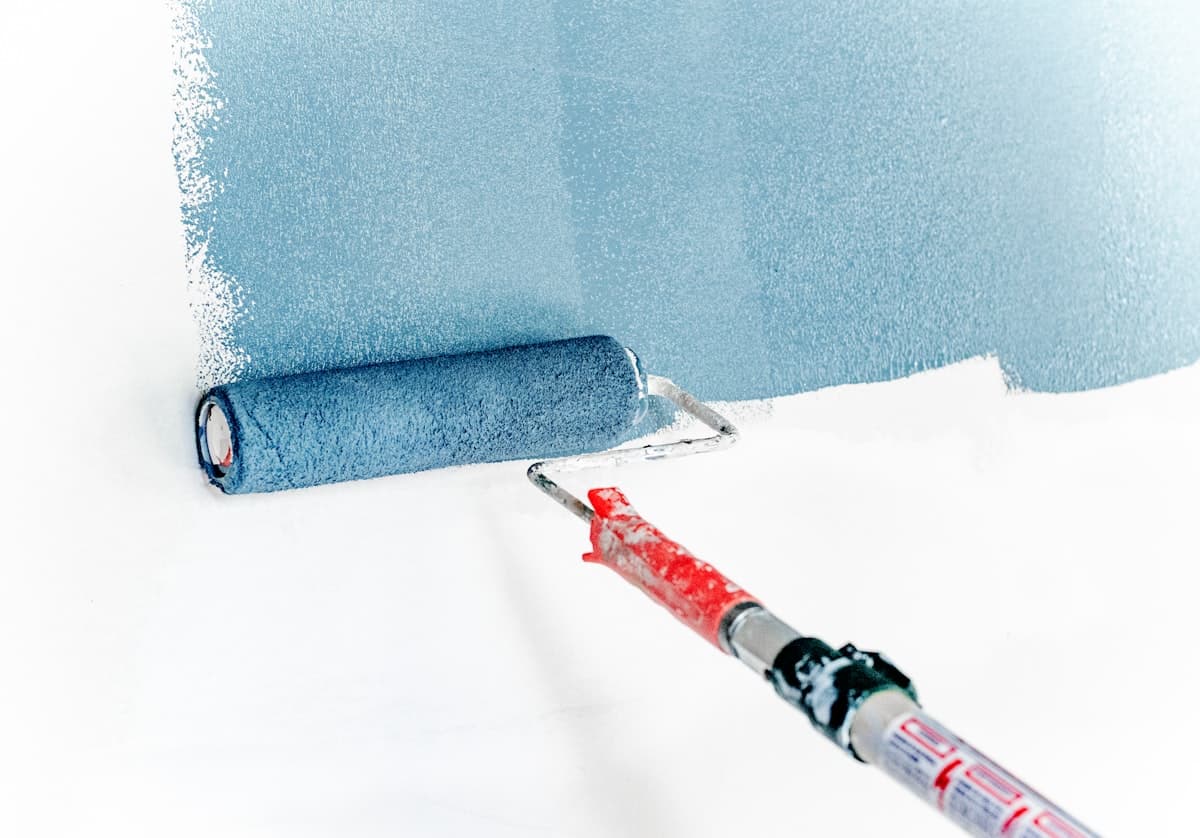
Failed or ageing concrete detail — ponding, cracks or active tracking
Prepared substrate with continuous concrete membrane and dressed details
What is concrete waterproofing?
Concrete waterproofing reduces permeability and chloride ingress in structural concrete — protecting reinforcement from corrosion and spalling. Approaches include integral crystalline admixtures at pour, penetrating silane sealers on hardened concrete, surface membranes and crack injection programmes. It is durability engineering, not cosmetic sealing: the objective is to extend service life of slabs, columns, tanks and marine-adjacent structures where moisture and salts reach rebar. Scope follows exposure class — a car park deck differs from an underground tank or coastal pile cap.
Why UAE buildings need it
UAE coastal construction exposes concrete to airborne chlorides and high humidity year-round. Desalinated water in mixes helps but does not stop carbonation and cracking. Large raft slabs and podium decks shrink in early life, opening paths for water. Industrial floors face chemical spillage plus thermal shock. Many structures rely on cover depth alone — when cracks intersect rebar, corrosion accelerates in heat. Concrete waterproofing is preventive maintenance before spalling forces lane closures and structural repair.
Quick answers
What property owners ask first
Direct answers written for search and AI assistants — then read the full sections below for detail.
What is concrete waterproofing?
Concrete waterproofing reduces water and chloride penetration in structural concrete through admixtures, penetrating sealers, surface systems or crack injection. It protects reinforcement from corrosion and extends service life. It focuses on durability and permeability — not just keeping surfaces dry to touch.
Why is concrete waterproofing needed in the UAE?
UAE coastal air, heat and humidity drive chlorides into porous concrete. Cracking in large slabs exposes rebar. Industrial and podium decks face chemicals and traffic. Without treatment, spalling and costly structural repair follow. Prevention costs far less than lane closures and jackhammer remediation.
How much does concrete waterproofing cost in the UAE?
Price varies by area, exposure, crack density, access and system type — admixture at pour differs from full deck overlay with injection. Industrial shutdown costs add to scope. Quotes vary; condition survey and often test cores inform pricing.
How long does concrete waterproofing last?
Integral admixtures last the life of the concrete when cracking is managed. Penetrating sealers on exposed decks need renewal every 5–10 years. Injection on moving cracks may require monitoring. Combined systems with joint maintenance give the longest performance.
The problem we solve
Porous concrete, cold joints and shrinkage cracks allow moisture and chlorides to reach reinforcement — especially in coastal UAE zones.
- Chloride ingress in coastal and marine-adjacent structures
- Shrinkage cracking in large pours opening leak paths
- Honeycombing at construction joints and formwork ties
- Carbonation reducing alkalinity around reinforcement
- Chemical attack on industrial floor concrete
- Failed previous sealer with no crack treatment underneath
- Water tracking through porous block infill adjacent to concrete frames
Our solution
Integral admixtures, surface membranes and crack injection programmes that protect durability not just appearances.
Signs you need concrete work
- • Rust staining at cracks on external concrete elements
- • Spalling or delamination of concrete cover
- • White efflorescence at joints in basement or podium slabs
- • Increasing leak rate through construction joints over seasons
- • Deteriorating industrial floor with chemical staining
- • Core test or cover survey showing low effective cover depth
Methods
Concrete Waterproofing methods we specify
The right system depends on substrate, exposure and how the area is used — not a one-product pitch.
Crystalline admixture at pour
Added to concrete mix to reduce permeability throughout the section — best on new pours and major repairs.
Penetrating silane/siloxane sealer
Deep-penetrating hydrophobic treatment on hardened exposed concrete — repels water while allowing vapour escape.
Crack injection programme
Epoxy for structural cracks, polyurethane for moving or leaking cracks — precedes surface treatment.
Epoxy or polyurethane surface overlay
High-build systems on decks and floors needing chemical and abrasion resistance alongside waterproofing.
Outcomes
Benefits
- Inspection before quoting — no guesswork on scope
- Materials matched to concrete exposure and substrate
- Reinforced details at drains, corners and penetrations
- Written warranty on major system installations
- Documentation for FM, insurers and handover packs
Expected lifespan in the UAE
Integral admixtures last the design life of the concrete when cracks are controlled. Penetrating sealers typically need renewal every 5–10 years on exposed horizontal surfaces in UAE UV. Injection repairs on active cracks warrant monitoring — movement may require periodic re-treatment. Combined programmes outperform single-product approaches.
Materials we use
- Crystalline admixtures
- Penetrating silane sealers
- Polyurethane injection grouts
See also our materials overview and warranty terms.
Professional installation process
- 01
Site inspection
We map moisture paths, substrate condition, drains and penetrations before quoting.
- 02
Surface preparation
Failed coatings are removed, cracks repaired and surfaces primed to manufacturer spec.
- 03
Detail reinforcement
Corners, outlets, pipes and movement joints receive extra membrane layers.
- 04
System application
The specified membrane or coating is applied at correct thickness with cure controls.
- 05
Testing and handover
Flood or hose tests where applicable, photos, warranty documents and maintenance guidance.
Full methodology on our process page.
Cost factors
- • Accessible area and working height
- • Strip-out of failed layers
- • System type and thickness
- • Detail complexity
- • Warranty scope
Concrete waterproofing pricing varies by method — admixture per cubic metre differs from full external HDPE wrap. Surface area, crack density, and access height matter. Injection jobs priced by crack metre after survey. New pour integration costs less than full retrofit on occupied building. Inspection with crack mapping and moisture tests required before lump-sum quotes.
Read our waterproofing cost guide.
Maintenance advice
- • Annual visual inspection
- • Keep drains clear of debris
- • Repair minor damage before it spreads
- • Follow warranty inspection schedule
Inspect visible concrete for new cracks after seasonal movement. Reseal expansion joints on exposed slabs. Avoid de-icing salts on podiums — rare but damages untreated concrete. Monitor water tanks and basements for efflorescence as early warning. Document any core drill — each needs hydrophilic plug detail.
Expert tips
- • Do not tile or paint over damp substrates
- • Compare quotes by written scope not headline price
- • Photograph the area before and after works
- • Combine shrinkage-control concrete mix with joint layout review
- • Never rely on floor paint alone for below-grade slabs
- • Use flexible injection for live cracks; rigid epoxy for static
- • Hold pre-pour meeting for waterstop placement
- • Keep core drill log for FM throughout building life
- • Match curing regime to UAE ambient — blankets or mist
Industry best practices
Specify admixtures at batch plant for rafts and tanks where integral protection reduces joint risk — still detail penetrations separately. For surface systems, achieve CSP profile and remove laitance; bond failure is the main defect. Treat construction joints with waterbars at pour stage; retrofit joints need saw-cut and injection discipline. Crack injection with polyurethane or epoxy depends on crack movement — active cracks need flexible resins. Cure concrete fully before negative-side slurry; premature application blisters. In marine or saline soils, upgrade cover depth and membrane spec together.
When to call a specialist
Engage at structural design for new concrete shells. For existing structures, call when cracks weep, efflorescence is active, or prior surface sealer failed within months. Before epoxy flooring on ground slab, verify slab waterproofing below.
Aftercare in the first weeks
Protect treated surfaces from trade damage until cover or backfill. Cure slurries per humidity — AC environments dry too fast without mist cure. First hydrostatic event — inspect joints before finishes installed.
Patch, partial, or full system?
Is crystalline treatment enough, or do I need membranes plus structural repair?
Patch when
Integral or crystalline options can help when cracks are fine, water pressure is limited, and concrete quality supports the chemistry. Pair with crack repair where movement is active.
Full system when
Add membranes or composites when head pressure is high, surfaces are trafficked, or previous crystalline applications did not stop multi-zone seepage. Structural cracks need engineering input before any coating.
Avoid
Do not paint crystalline slurry over active leaks without routing and stopping water. Application on flowing water wastes product and creates false confidence.
Active cracks need width, movement and water-flow notes before crystalline slurry or injection is chosen. Head pressure and trafficked surfaces usually need membranes or composites in addition to integral treatments. If a previous crystalline coat failed, inspect whether water was still flowing during application — that is a common UAE false start. Structural movement without engineering input turns waterproofing into a recurring patch loop. For podiums and parking slabs, confirm whether water comes from planters or joints above before specifying negative-side treatments that only slow visible seepage.
Options compared
| Option | Best for | Watch out |
|---|---|---|
| Integral crystalline admixture | Mass concrete rafts and walls at pour | Joints and penetrations still need separate detail |
| Surface crystalline slurry | Retrofit damp concrete walls and slabs | Requires strip of paints and laitance |
| External HDPE or bituminous sheet | Below-grade walls with excavation access | Backfill protection critical |
| Polyurethane crack injection | Active water at discrete cracks | Not structural repair — cracks may widen |
Owner checklist
- Classify exposure — potable, soil, atmospheric, chemical
- Map cracks by width, movement, and active leakage
- Select integral vs surface vs external approach per zone
- Detail construction joints in structural drawings early
- Achieve surface profile before slurry or coating
- Test water tightness on tanks and basements before use
- Protect membrane from backfill or rebar traffic
- Record batch tickets if admixture used
- Assign warranty per method and applicator qualification
Common mistakes to avoid
These errors shorten membrane life and turn small leaks into slab or ceiling repairs.
- Applying surface sealer over untreated active cracks
- Using decorative paint instead of penetrating hydrophobic treatment
- Ignoring joint sealant failure while treating field concrete only
- Specifying admixture without crack control and curing discipline
- Treating symptoms on blockwork infill while frame joints leak
- Skipping chloride testing on coastal repair projects
Why choose our concrete service
- Exposure-class specification — not one product for every slab
- Crack injection coordinated with surface treatment
- Experience on podiums, tanks and industrial floors
- Test reports and product datasheets for consultant approval
- Programmes that prioritise structural durability over appearance
Frequently asked questions
Additional detail beyond the quick answers above. Still unsure? Request an inspection.
How long does concrete waterproofing take?
Timelines depend on area, prep needs and cure times. A typical villa bathroom may take 3–5 days including flood test; a full roof refurbishment can take 1–3 weeks.
Do you provide warranty on concrete work?
Yes — major system installations include written warranty terms. Scope and exclusions are stated in your quote.
Which emirates do you cover for concrete waterproofing?
We serve Dubai, Abu Dhabi, Sharjah and all northern emirates. Remote industrial sites are scheduled by arrangement.
Is concrete waterproofing the same as concrete sealing?
Sealing often means a surface film; waterproofing addresses permeability and durability through admixtures, penetration or membranes. We specify based on exposure class and structural requirements.
Can old concrete be treated or only new pours?
Both — hardened concrete takes penetrating sealers and injection; new work can include admixtures. Condition survey determines the viable programme.
Do you work with structural consultants on concrete protection?
Yes — we provide product data, method statements and coordinate with engineers on crack classification and repair sequencing.
Does waterproof concrete admixture replace membranes?
It supplements the matrix but does not replace joint waterstops, penetrations, or external membranes where hydrostatic pressure exists. Think of admixture as one layer in a system, not a standalone tank.
How soon can slurry be applied to new concrete?
Follow manufacturer minimum age and moisture limits — typically after initial shrinkage period and when surface is structurally sound. Too early traps bleed water; too late requires aggressive prep.
Can cracked podium concrete be waterproofed without excavation?
Often via injection plus surface slurry and joint reseal if external tanking is absent or unknown. Success depends on crack activity and drainage relief — inspection defines realistic outcome.
Does crystalline waterproofing replace a membrane on a podium?
Not always. Integral treatments help in some concrete conditions, but high head pressure, planters and trafficked decks often need membranes or composites as well. Specification follows exposure, not a single product preference.
When should a structural engineer review cracks before waterproofing?
When cracks are wide, moving, or linked to settlement or overload signs. Coating over active structural movement wastes waterproofing budget and can hide worsening defects.
Related services
Foundation Waterproofing
We deliver foundation waterproofing for property owners and facility teams who need lasting protection in UAE heat, UV and seasonal rain — not a quick coat that fails in two summers.
Crack Repair
We deliver crack repair for property owners and facility teams who need lasting protection in UAE heat, UV and seasonal rain — not a quick coat that fails in two summers.
Building Waterproofing
We deliver building waterproofing for property owners and facility teams who need lasting protection in UAE heat, UV and seasonal rain — not a quick coat that fails in two summers.
Ready for professional concrete waterproofing?
Book a free inspection. We diagnose first, then send a clear written scope — no vague per-sqm promises.