
Polyurethane Waterproofing · UAE waterproofing service
Polyurethane Waterproofing Applied to Spec
We deliver polyurethane waterproofing for property owners and facility teams who need lasting protection in UAE heat, UV and seasonal rain — not a quick coat that fails in two summers. Looking for polyurethane waterproofing in Dubai or across the Emirates? We inspect first, then specify a system matched to UAE heat, UV and how the surface is used.
Polyurethane liquid membranes suit many UAE exposed decks and wet areas when applied at correct thickness with proper prep — but they are not interchangeable brands or one-coat shortcuts. You need to know if your project needs aromatic or aliphatic PU, whether traffic rating matches use, and whether substrate moisture is within limits. PU fails loudly when applied on damp screed or before cure in rain. Owners comparing quotes should look at millimetre thickness and detail reinforcement, not bucket count. This section explains where PU earns its place and where other chemistries perform better.
Prefer messaging? Request a quote · Contact us · Warranty
Inspection-led scope
Diagnose before quoting
Written warranties
Terms on major systems
UAE-ready systems
Heat, UV and rain
All seven emirates
Villas to warehouses
Questions about coverage? See our warranty terms and process.
Results
What changes after a proper system
Representative before/after stages — real project photos available during quoting.
Failed or ageing polyurethane detail — ponding, cracks or active tracking
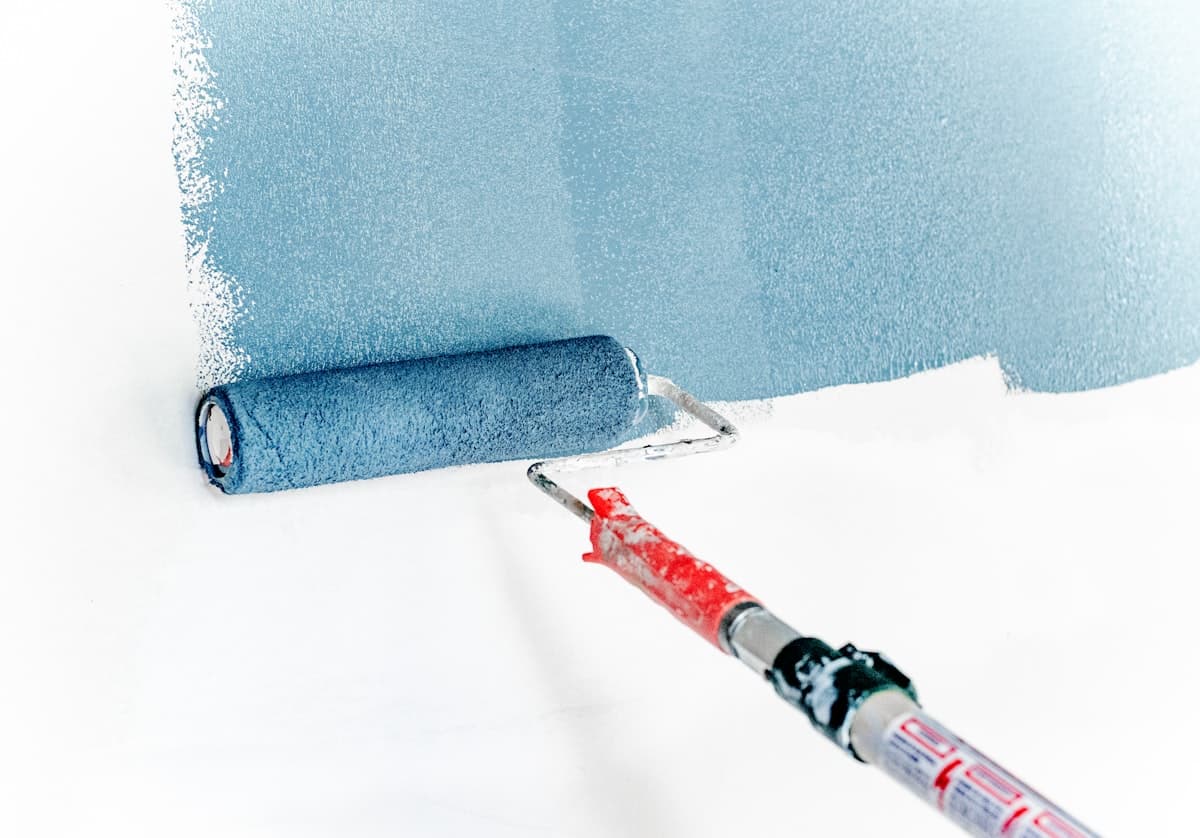
Prepared substrate with continuous polyurethane membrane and dressed details
What is polyurethane waterproofing?
Polyurethane waterproofing uses liquid-applied two-component PU membranes that cure to a seamless, flexible film — ideal for roofs, podiums, balconies and complex details where sheets struggle. Correct specification matters: not all PU products suit full UAE UV exposure; some require topcoats or protection layers. Application includes primer, multiple coats at measured thickness, reinforcement fleece at drains and penetrations, and cure control in high surface temperatures.
Why UAE buildings need it
Liquid PU handles the irregular shapes common on UAE villa roofs — AC bases, parapets, pipe clusters — better than rigid sheets. Thermal flexibility suits daily slab movement. But cheap single-component or thin PU products fail visibly within two summers on exposed decks. Manufacturer-approved systems with UV-stable topcoats and documented thickness testing separate professional work from paint contractors rebranding acrylic as polyurethane.
Quick answers
What property owners ask first
Direct answers written for search and AI assistants — then read the full sections below for detail.
What is polyurethane waterproofing?
Polyurethane waterproofing is a liquid-applied two-component membrane that cures to a seamless flexible film. It suits roofs, podiums and complex details with reinforced fleece at drains. It must be specified and applied at correct thickness — not confused with floor paint or thin coatings.
Why is polyurethane waterproofing needed in the UAE?
UAE roof geometry and thermal movement suit flexible liquid PU. It handles details sheets struggle with. Wrong or thin products fail fast in UV. Approved multi-coat systems with topcoats perform for years on exposed villa and commercial decks.
How much does polyurethane waterproofing cost in the UAE?
Cost depends on area, prep, number of coats, detail complexity and UV topcoat requirement. Complex villa roofs cost more per square metre than open podium fields. Quotes vary; inspection and system selection precede pricing.
How long does polyurethane waterproofing last?
Approved systems on exposed UAE roofs often last 10–15 years. Wrong products fail in 2–5 years. Topcoat maintenance and drain care extend life. Reinforced details determine whether failure is local or widespread.
The problem we solve
Not every polyurethane product suits exposed UAE roofs. Thin or rigid formulations crack under thermal movement.
- Thin single-coat PU failing under UAE UV in 2–3 years
- Bubbling from application over damp or unprimed screed
- Insufficient thickness at field vs reinforced details only
- Wrong PU type used on fully exposed roof without topcoat
- No fleece reinforcement at drains and corners
- Product stored or mixed incorrectly in high ambient heat
- Confusion between polyurethane waterproofing and floor PU paint
Our solution
Manufacturer-approved liquid PU applied in specified thickness with reinforced details on drains and penetrations.
Signs you need polyurethane work
- • Existing PU coating cracking, chalking or peeling on roof
- • Blisters forming along sun-facing roof sections
- • Leaks at details despite sound-looking field area
- • Contractor applied one coat without thickness verification
- • Specification calls for PU on complex roof geometry
- • Previous acrylic failed and consultant specified flexible PU
Methods
Polyurethane Waterproofing methods we specify
The right system depends on substrate, exposure and how the area is used — not a one-product pitch.
Two-component liquid PU membrane
Multi-coat system at specified DFT with primer — base product for exposed and semi-exposed UAE roofs.
PU with reinforcement fleece
Embedded fleece at details, corners and high-stress zones while field coats continue seamless.
UV-stable PU topcoat system
Aliphatic or approved topcoat over aromatic base where full sun exposure applies.
Under-tile PU wet-area system
Flexible PU beneath pavers or tiles on terraces and balconies with compatible adhesive.
Outcomes
Benefits
- Inspection before quoting — no guesswork on scope
- Materials matched to polyurethane exposure and substrate
- Reinforced details at drains, corners and penetrations
- Written warranty on major system installations
- Documentation for FM, insurers and handover packs
Expected lifespan in the UAE
Manufacturer-approved two-component PU systems on exposed UAE roofs typically last 10–15 years with maintenance. Protected podium applications may reach 15–20 years. Thin or wrong-grade products fail in 2–5 years. Annual drain clearing and recoating worn topcoats extends service life.
Materials we use
- Two-component polyurethane membranes
- Polyurethane primers
- Reinforcement fleeces
See also our materials overview and warranty terms.
Professional installation process
- 01
Site inspection
We map moisture paths, substrate condition, drains and penetrations before quoting.
- 02
Surface preparation
Failed coatings are removed, cracks repaired and surfaces primed to manufacturer spec.
- 03
Detail reinforcement
Corners, outlets, pipes and movement joints receive extra membrane layers.
- 04
System application
The specified membrane or coating is applied at correct thickness with cure controls.
- 05
Testing and handover
Flood or hose tests where applicable, photos, warranty documents and maintenance guidance.
Full methodology on our process page.
Cost factors
- • Accessible area and working height
- • Strip-out of failed layers
- • System type and thickness
- • Detail complexity
- • Warranty scope
Polyurethane pricing reflects thickness, primer layers, detail labour, and UV topcoat inclusion. Cheap single-coat quotes omit reinforcement and proper millimetre build. Metal deck prep with rust treatment adds cost. Compare quotes by written system build-up — inspection confirms substrate prep extent needed.
Read our waterproofing cost guide.
Maintenance advice
- • Annual visual inspection
- • Keep drains clear of debris
- • Repair minor damage before it spreads
- • Follow warranty inspection schedule
Annual walk for pinholes at drains and mechanical damage. Recoat UV-exposed aromatic zones if topcoat absent. Do not use incompatible sealants at repairs — stick to same manufacturer patch kit.
Expert tips
- • Do not tile or paint over damp substrates
- • Compare quotes by written scope not headline price
- • Photograph the area before and after works
- • Never apply PU on damp or contaminated screed
- • Use aliphatic topcoat on all sun-exposed villa roofs
- • Keep same-brand repair kits for FM quick fixes
- • Combine with flood test before any tile or paver cover
- • Reject quotes that only state number of coats
- • Schedule morning application in summer heat
Industry best practices
Moisture-test substrate — most PU systems reject high readings. Apply primer matched to concrete or metal as specified. Build thickness in measured passes, not single flood coat. Reinforce drains, corners, and penetrations with fleece or extra plies. Use aliphatic topcoat on exposed UV faces to prevent chalking and colour fade. Hold cure window free from rain and foot traffic. On occupied sites, manage odour and solvent ventilation.
When to call a specialist
Call when specifying liquid membrane for roof, terrace, or under-tile wet area needing seamless detail. If existing PU blisters, assess moisture and adhesion before recoat.
Aftercare in the first weeks
Protect from rain per cure chart — UAE sudden showers matter. Limit traffic until full cure depth reached. Report soft spots within 48 hours of application.
Patch, partial, or full system?
Is polyurethane a local recoating, or a strip-and-renew system?
Patch when
Local recoating works when adhesion tests pass, UV topcoat is the only wear, and details at outlets remain sound. Feather carefully — thick edges become trip and peel points.
Full system when
Strip and renew when acrylic or PU is chalking, blistered or applied over failed layers. UAE heat punishes overlays that trap moisture under a fresh film.
Avoid
Do not ‘refresh’ with a thin decorative coat without measuring thickness or priming. It looks new for one summer and fails at the first ponding event.
Adhesion tests decide whether recoating is honest or whether strip-out is required. UAE heat punishes overlays on chalky or damp acrylic. Thickness, primer and fabric at outlets belong in the written scope — a thin decorative refresh is not a polyurethane waterproofing system. Hold traffic and equipment until cure is documented, especially on villa roofs used as storage decks. Require wet-film or thickness checks at outlets — UAE failures often trace to thin coats that looked continuous when wet.
Options compared
| Option | Best for | Watch out |
|---|---|---|
| Aliphatic PU with UV topcoat | Exposed roofs and terraces with colour stability need | Higher material cost than aromatic-only systems |
| Aromatic PU base with aggregate | Hidden under pavers or tiles with protection layer | Chalks and degrades if left exposed to sun |
| PU under-tile wet-area system | Bathrooms needing seamless pan detailing | Tile adhesive compatibility must be verified |
| PU over existing sound coating | Renewal when adhesion test passes | Failed adhesion tests require strip — overlay hides delamination |
Owner checklist
- Moisture test substrate — record readings on quote
- Confirm aromatic vs aliphatic layer plan for UV zones
- Specify target thickness in millimetres not coats only
- Include fleece or tape at all drains and corners
- Agree rain contingency and tenting if monsoon risk
- Verify primer type for concrete age and contamination
- Plan ventilation for occupied building interiors nearby
- Require wet film thickness checks during application
- Obtain manufacturer compatibility letter if over old coatings
Common mistakes to avoid
These errors shorten membrane life and turn small leaks into slab or ceiling repairs.
- Using non-approved or single-component products on exposed roofs
- Applying below manufacturer temperature or humidity limits
- Skipping wet-film thickness checks during application
- No reinforcement at drains — where most PU roofs fail
- Foot traffic on uncured membrane during summer works
- Mixing partial kits to save material — ratio errors cause soft film
Why choose our polyurethane service
- Manufacturer-approved systems with datasheets — not generic PU
- Wet-film thickness verification during application
- Reinforced details at every drain, corner and penetration
- UV topcoat specified where full exposure applies
- Experience on villa roofs, podiums and balcony geometries
Frequently asked questions
Additional detail beyond the quick answers above. Still unsure? Request an inspection.
How long does polyurethane waterproofing take?
Timelines depend on area, prep needs and cure times. A typical villa bathroom may take 3–5 days including flood test; a full roof refurbishment can take 1–3 weeks.
Do you provide warranty on polyurethane work?
Yes — major system installations include written warranty terms. Scope and exclusions are stated in your quote.
Which emirates do you cover for polyurethane waterproofing?
We serve Dubai, Abu Dhabi, Sharjah and all northern emirates. Remote industrial sites are scheduled by arrangement.
Is all polyurethane the same for roofs?
No — aromatic vs aliphatic chemistry, coat count and UV protection differ sharply. We use manufacturer systems matched to exposure, not generic drum products.
Can PU be applied in UAE summer?
Yes within product temperature windows — often early morning or evening application with surface temperature monitoring.
PU or bitumen for my villa roof?
PU suits exposed seamless applications; bitumen suits covered or protected build-ups. We recommend after inspecting exposure and finish type.
How thick should polyurethane waterproofing be?
Follow manufacturer system spec — typically built to defined millimetres across passes, not one thin coat. Traffic decks need higher build than light wet areas. Quote should state target thickness and measurement method.
Why does polyurethane roof coating bubble?
Common causes are moisture in substrate, rain before cure, or trapped vapour from applied over sealed damp concrete. Blisters mean adhesion loss — cut, dry, and repair per system guide, not paint over.
Is polyurethane safe for potable water tanks?
Only specific NSF or potable-certified PU formulations qualify. Standard roof-grade PU is not for drinking water contact — request potable datasheet before tank lining.
How do I know if recoating polyurethane is honest?
Adhesion tests and inspection of existing thickness decide. Chalky, blistered or multi-layer acrylic failures usually need strip-out — a thin refresh over failed film fails in UAE heat and wastes the next season’s budget.
What thickness details belong in a PU waterproofing quote?
Primer type, number of coats, target thickness, fabric at outlets and UV topcoat where exposed. Missing those lines usually means you are buying a decorative coat, not a system — compare quotes on those items, not headline per-sqm alone.
When can foot traffic return on a new PU roof?
Only after manufacturer cure time and written sign-off. Early traffic and stored equipment are common causes of soft spots and pinholes — especially on villa roofs used as temporary storage decks.
Do polyurethane roofs need a UV topcoat in the UAE?
Exposed decks usually do. Ask the quote to name the topcoat — a base membrane without UV protection chalks faster under Emirates sun.
Can I walk the roof the same evening after PU application?
Usually not. Follow the cure schedule in writing. Early foot traffic is one of the fastest ways to create pinholes on fresh liquid membranes.
Related services
Polyurea Coating
We deliver polyurea coating for property owners and facility teams who need lasting protection in UAE heat, UV and seasonal rain — not a quick coat that fails in two summers.
Roof Waterproofing
We deliver roof waterproofing for property owners and facility teams who need lasting protection in UAE heat, UV and seasonal rain — not a quick coat that fails in two summers.
Terrace Waterproofing
We deliver terrace waterproofing for property owners and facility teams who need lasting protection in UAE heat, UV and seasonal rain — not a quick coat that fails in two summers.
Ready for professional polyurethane waterproofing?
Book a free inspection. We diagnose first, then send a clear written scope — no vague per-sqm promises.