
Industrial Waterproofing · UAE waterproofing service
Industrial Waterproofing for Harsh UAE Environments
We deliver industrial waterproofing for property owners and facility teams who need lasting protection in UAE heat, UV and seasonal rain — not a quick coat that fails in two summers. Looking for industrial waterproofing in Dubai or across the Emirates? We inspect first, then specify a system matched to UAE heat, UV and how the surface is used.
Industrial sites — factories, processing plants, and utility yards — expose waterproofing to chemicals, thermal cycling, heavy equipment, and contamination rules unlike standard buildings. You need systems rated for the specific spill or wash-down regime, not residential membrane copied to a floor deck. Failures lead to production shutdown, environmental reporting, and slip hazards. UAE industrial zones also face extreme surface temperatures on metal decks and concrete bunds. Decide early whether the priority is chemical containment, structural protection, or personnel safety underfoot.
Prefer messaging? Request a quote · Contact us · Warranty
Inspection-led scope
Diagnose before quoting
Written warranties
Terms on major systems
UAE-ready systems
Heat, UV and rain
All seven emirates
Villas to warehouses
Questions about coverage? See our warranty terms and process.
Results
What changes after a proper system
Representative before/after stages — real project photos available during quoting.
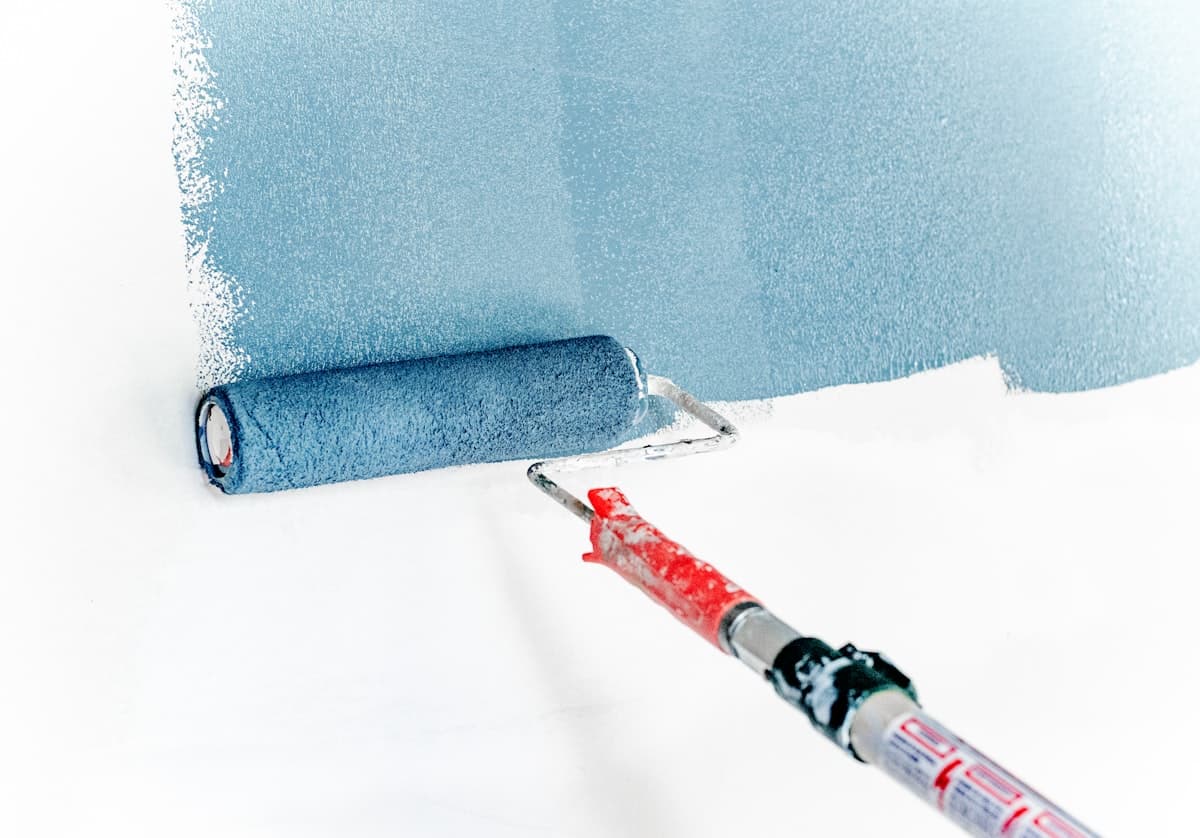
Failed or ageing industrial detail — ponding, cracks or active tracking
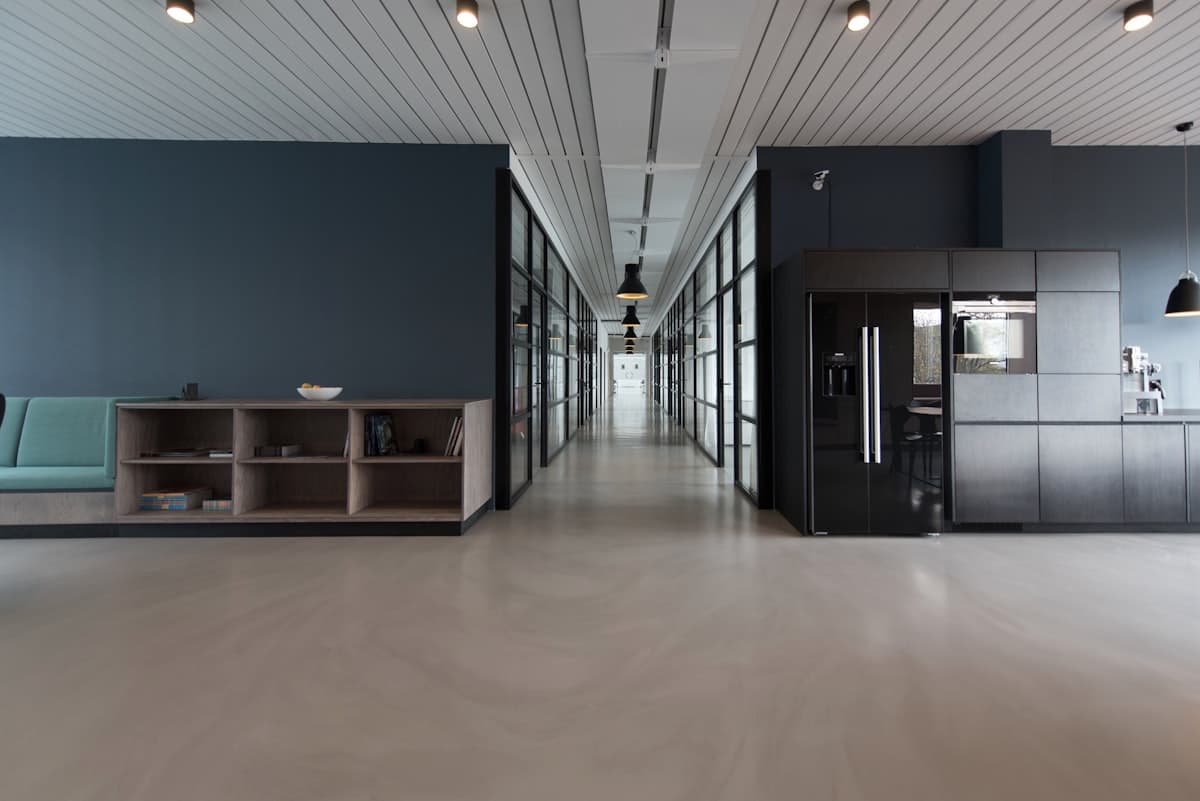
Prepared substrate with continuous industrial membrane and dressed details
What is industrial waterproofing?
Industrial waterproofing protects factories, processing plants, loading bays and chemical storage areas where standard decorative coatings fail within months. Systems must resist traffic, thermal shock, chemical spillage and regular wash-down — often epoxy, polyurethane or polyurea build-ups with anti-slip aggregates and coving at wall junctions. Scope includes substrate assessment for contamination, mechanical preparation and compatibility with operational schedules including partial shutdown or weekend works.
Why UAE buildings need it
UAE industrial zones in JAFZA, KIZAD and northern emirates run processes that expose floors and bund walls to oils, acids and hot cleaning water. Summer heat increases chemical reaction rates and worker safety limits on application windows. Metal decks and lightweight concrete in warehouses flex under forklift load. Regulatory bund lining for chemical storage is increasingly inspected. Failed industrial floors create slip hazards, contamination risk and unplanned production stops that far exceed specification cost.
Quick answers
What property owners ask first
Direct answers written for search and AI assistants — then read the full sections below for detail.
What is industrial waterproofing?
Industrial waterproofing is heavy-duty floor, wall and bund protection for factories and plants — resisting traffic, chemicals and wash-down. It uses epoxy, polyurethane or polyurea systems on mechanically prepared concrete. It is specified by exposure class, not standard residential membrane products.
Why is industrial waterproofing needed in the UAE?
UAE factories face heat, chemicals, forklifts and strict wash-down regimes that destroy ordinary coatings. Bund leaks risk regulatory action. Deck leaks stop production. Proper industrial waterproofing prevents slip hazards, contamination and costly unplanned shutdowns.
How much does industrial waterproofing cost in the UAE?
Cost depends on area, contamination prep, chemical resistance class, shutdown premiums and access. A small bund differs from a full production floor with shot-blasting. Quotes vary; site survey and process brief are required.
How long does industrial waterproofing last?
Quality industrial floors typically last 5–10 years in heavy traffic lanes before recoating. Bund linings may reach 10–15 years with inspection. Oil-contaminated prep failures show within months. Correct specification and cure discipline determine actual performance.
The problem we solve
Process plants, factories and loading bays face chemical exposure, heavy traffic and large spans that standard decorative coats cannot handle.
- Epoxy floor delamination from oil-contaminated concrete
- Chemical bund walls leaking through construction joints
- Loading bay slabs eroded by heavy traffic and thermal shock
- Wash-down areas with failed coving at wall-floor junctions
- Metal deck roofs leaking onto production lines below
- Previous contractor used retail-grade paint on industrial exposure
- Shutdown windows too short for proper prep and cure
Our solution
Chemically resistant epoxy, polyurea and reinforced systems specified for the actual exposure class.
Signs you need industrial work
- • Floor coating peeling in traffic lanes and wash-down zones
- • Chemical odour or staining at bund wall bases
- • Slip incidents increasing in wet processing areas
- • Water dripping onto equipment from overhead deck leaks
- • Regulatory inspection flagging bund integrity
- • Frequent patch repairs failing within weeks of application
Methods
Industrial Waterproofing methods we specify
The right system depends on substrate, exposure and how the area is used — not a one-product pitch.
Contamination testing and mechanical prep
Oil and chloride testing, shot-blasting or diamond grinding before any coating — non-negotiable on industrial slabs.
Multi-layer epoxy or PU floor system
Primer, body coat and chemical-resistant topcoat with anti-slip broadcast and coved skirting.
Polyurea bund and tank lining
Fast-cure spray lining for chemical bunds and process tanks with high chemical resistance.
Weekend and phased shutdown programme
Works sequenced around production with fast-cure products where cure time is the constraint.
Outcomes
Benefits
- Inspection before quoting — no guesswork on scope
- Materials matched to industrial exposure and substrate
- Reinforced details at drains, corners and penetrations
- Written warranty on major system installations
- Documentation for FM, insurers and handover packs
Expected lifespan in the UAE
Correctly specified industrial floor systems in UAE traffic zones typically last 5–10 years before recoating high-wear lanes. Chemical bund linings may perform 10–15 years with inspection. Lifespan drops sharply if oil contamination was not removed before application or if wrong chemical resistance class was specified.
Materials we use
- Epoxy and polyurea floor/wall systems
- Chemical-resistant topcoats
- Anti-slip aggregates
See also our materials overview and warranty terms.
Professional installation process
- 01
Site inspection
We map moisture paths, substrate condition, drains and penetrations before quoting.
- 02
Surface preparation
Failed coatings are removed, cracks repaired and surfaces primed to manufacturer spec.
- 03
Detail reinforcement
Corners, outlets, pipes and movement joints receive extra membrane layers.
- 04
System application
The specified membrane or coating is applied at correct thickness with cure controls.
- 05
Testing and handover
Flood or hose tests where applicable, photos, warranty documents and maintenance guidance.
Full methodology on our process page.
Cost factors
- • Accessible area and working height
- • Strip-out of failed layers
- • System type and thickness
- • Detail complexity
- • Warranty scope
Industrial systems cost more per square metre due to surface prep, containment setup, and certified applicators. Shutdown windows compress programme into premium shifts. Chemical-resistant epoxy differs from standard car park deck coating. Bund relining priced after contamination assessment and surface profiling. Inspection mandatory — wrong spec fails fast in production environment.
Read our waterproofing cost guide.
Maintenance advice
- • Annual visual inspection
- • Keep drains clear of debris
- • Repair minor damage before it spreads
- • Follow warranty inspection schedule
Inspect bund linings after any chemical spill event. Resurface high-wear traffic lanes on schedule. Keep drains in wash bays clear of sludge. Monitor metal roof fasteners for corrosion streaks. Document lining repairs for environmental audits.
Expert tips
- • Do not tile or paint over damp substrates
- • Compare quotes by written scope not headline price
- • Photograph the area before and after works
- • Engage lining vendor at process design stage for new plants
- • Use contrasting colour in bunds to spot staining early
- • Separate pedestrian and forklift zones with wear caps
- • Keep spare lining repair kit for approved touch-ups
- • Align roof and bund programme if shared shutdown window
- • Install leak detection in critical containment floors
Industry best practices
Obtain chemical exposure matrix before spec — pH, solvents, temperature, and frequency of wash-down. Use epoxy or polyurea linings in bunds and chemical zones with appropriate thickness and holiday testing. Sloped floors to trapped drains prevent standing chemical pools. Detail expansion joints with chemical-resistant profiles. For metal roofs on sheds, address condensation and corrosion together with insulation if needed. Hot works permits required for torch-applied systems near operations.
When to call a specialist
Call when bund seepage appears, floor coating blisters after chemical exposure, or metal roof drips on equipment. Before regulatory audit of containment areas. After fire or spill that may have compromised lining.
Aftercare in the first weeks
Gradual return to full chemical service per manufacturer reactivation schedule. Monitor first production cycle for soft spots. Restrict forklift traffic on fresh coatings until full cure.
Patch, partial, or full system?
Is industrial waterproofing a local plant-room fix or a site-wide coating plan?
Patch when
Local plant-room or tank-farm patches are fine when chemical exposure is limited to that zone and substrate tests pass. Match product resistance to the actual spill profile.
Full system when
Site-wide plans suit ageing process buildings with multi-roof leaks, loading-bay decks and chemical splash zones that share one maintenance budget. Specification must name chemical resistance, not only waterproofing.
Avoid
Avoid generic villa acrylics on industrial decks. Abrasion and chemical splash destroy them quickly and create false warranty expectations.
Name chemical splash, abrasion and return-to-service needs in the specification — villa acrylics fail quickly on process decks. Local plant-room patches are fine when exposure is limited; site-wide plans suit ageing multi-roof facilities sharing one maintenance budget. Tie coating choice to the actual spill profile on site, not a generic brochure system. Include confined-space and shutdown constraints in the tender so bids reflect real access cost, not an optimistic daytime-only assumption.
Options compared
| Option | Best for | Watch out |
|---|---|---|
| Epoxy chemical bund lining | Acid and alkali containment with smooth clean surface | UV exposure on outdoor bunds needs topcoat spec |
| Polyurea spray lining | Fast turnaround and flexible substrates | Requires skilled spray applicator and ventilation plan |
| Acid-resistant tile in bund | Heavy mechanical impact zones | Grout joints can become weak path if not chemical grade |
| Metal roof PU coating | Shed roof corrosion and light waterproofing | Not for aggressive chemical floor environments |
Owner checklist
- Compile chemical exposure and temperature range list
- Survey cracks and contamination in existing bund
- Plan production shutdown or isolated zone works
- Specify holiday testing where regulations require
- Detail slopes and drains before lining application
- Obtain hot work and confined space permits if needed
- Match slip resistance to HSE requirements
- Document lining batch and thickness at handover
- Train operators on approved cleaning chemicals
Common mistakes to avoid
These errors shorten membrane life and turn small leaks into slab or ceiling repairs.
- Applying coating over oil-saturated concrete without prep
- Skipping coving at wall-floor junctions in wash-down areas
- Using residential products for forklift and chemical exposure
- Rushing back to production before minimum cure time
- Specifying wrong chemical resistance class for actual spill profile
- Ignoring overhead deck leaks while only treating floor symptoms
Why choose our industrial service
- Contamination testing before specification — not guesswork
- Chemical resistance matched to your process exposure class
- Fast-cure options for tight shutdown windows
- Experience in JAFZA, KIZAD and northern industrial zones
- Anti-slip and HSE-compliant finishes for wet areas
Frequently asked questions
Additional detail beyond the quick answers above. Still unsure? Request an inspection.
How long does industrial waterproofing take?
Timelines depend on area, prep needs and cure times. A typical villa bathroom may take 3–5 days including flood test; a full roof refurbishment can take 1–3 weeks.
Do you provide warranty on industrial work?
Yes — major system installations include written warranty terms. Scope and exclusions are stated in your quote.
Which emirates do you cover for industrial waterproofing?
We serve Dubai, Abu Dhabi, Sharjah and all northern emirates. Remote industrial sites are scheduled by arrangement.
Can industrial floors be coated without full shutdown?
Partial zones yes — with barriers, ventilation and phased traffic management. Full mechanical prep usually needs a clear lane or weekend window.
Do you line chemical bunds to regulatory standard?
We specify linings matched to stored chemical classes and provide product datasheets for environmental and safety audits.
What preparation is needed on oily factory floors?
Contamination testing, mechanical removal of weak surface, degreasing and often captive shot-blasting. Coating over oil guarantees early failure.
Can residential waterproofing products be used in factories?
No — household wet-area membranes lack chemical and abrasion resistance for industrial exposure. Failures occur within weeks under wash-down or solvent contact. Specify industrial datasheets with exposure list.
How long must production stop for bund relining?
Depends on area, prep, and cure — small bunds may return in days; large containment with holiday testing takes longer. Shutdown plan should list hourly milestones before approval.
Are industrial roof and floor waterproofing the same trade?
Same contractors often hold both skills but systems differ. Roof focuses on UV and drainage; floors on chemical and traffic. Verify applicator certification for each environment.
What should an industrial waterproofing specification name besides waterproofing?
Chemical splash resistance, abrasion, return-to-service time, and access or shutdown constraints. Villa-grade acrylics fail quickly where process conditions dominate — name the spill profile you actually have on site.
Are plant-room patches acceptable on industrial sites?
Yes when exposure is limited to that zone and substrate tests pass. Multi-roof facilities usually need a site-wide plan under one maintenance budget rather than endless local call-outs that never address shared detailing standards.
Who should attend the industrial waterproofing kick-off?
Operations, HSE and the coating contractor at minimum — to lock shutdown windows, confined-space rules and spill expectations before mobilisation. Skipping kick-off is how access disputes appear mid-coat.
Can one coating serve every industrial zone?
Rarely. Splash zones, roofs and loading decks often need different resistance profiles. Name each zone in the specification instead of forcing one villa-grade product everywhere.
What photos should industrial handover include?
Seam and penetration details, surface prep stages, and zone maps for coated bays. Operations teams need those images when the next leak call arrives months later.
Should chemical exposure be tested before specifying industrial coatings?
Yes when spills are part of normal operations. Generic waterproofing claims without chemical resistance data fail early on process decks.
Related services
Warehouse Waterproofing
We deliver warehouse waterproofing for property owners and facility teams who need lasting protection in UAE heat, UV and seasonal rain — not a quick coat that fails in two summers.
Commercial Waterproofing
We deliver commercial waterproofing for property owners and facility teams who need lasting protection in UAE heat, UV and seasonal rain — not a quick coat that fails in two summers.
Polyurea Coating
We deliver polyurea coating for property owners and facility teams who need lasting protection in UAE heat, UV and seasonal rain — not a quick coat that fails in two summers.
Ready for professional industrial waterproofing?
Book a free inspection. We diagnose first, then send a clear written scope — no vague per-sqm promises.