
Cementitious Waterproofing · UAE waterproofing service
Cementitious Waterproofing for Wet Areas and Tanks
We deliver cementitious waterproofing for property owners and facility teams who need lasting protection in UAE heat, UV and seasonal rain — not a quick coat that fails in two summers. Looking for cementitious waterproofing in Dubai or across the Emirates? We inspect first, then specify a system matched to UAE heat, UV and how the surface is used.
Cementitious waterproofing — brush or trowel-applied slurries and crystalline systems — fits wet areas, basements, and water tanks where compatibility with mortar substrates matters. You need to know if the product is flexible enough for your crack risk, whether negative-side application is required, and if tile adhesive will bond to the finished surface. Cementitious systems fail when applied over paint, at wrong thickness, or without cove details at floor-wall joints. They are not a shortcut around cracked moving slabs. This guide positions cementitious products for the right UAE applications.
Prefer messaging? Request a quote · Contact us · Warranty
Inspection-led scope
Diagnose before quoting
Written warranties
Terms on major systems
UAE-ready systems
Heat, UV and rain
All seven emirates
Villas to warehouses
Questions about coverage? See our warranty terms and process.
Results
What changes after a proper system
Representative before/after stages — real project photos available during quoting.
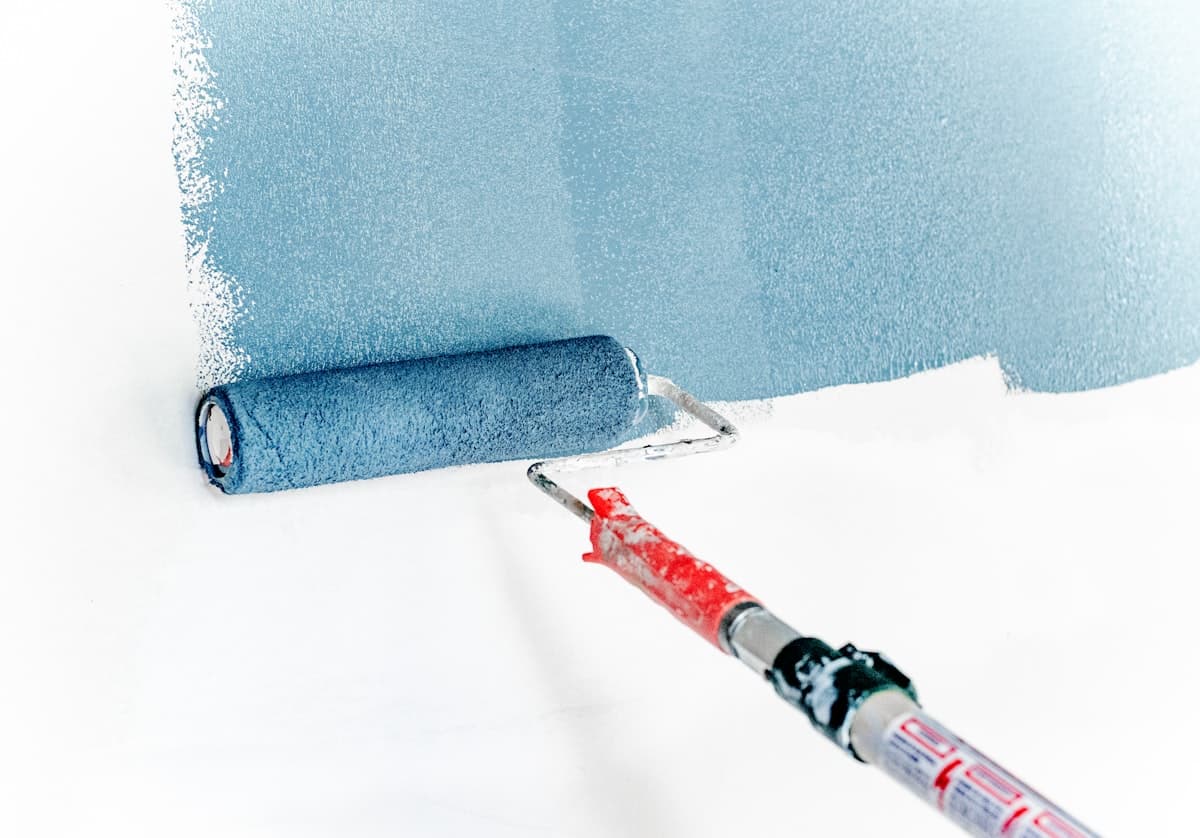
Failed or ageing cementitious detail — ponding, cracks or active tracking
Prepared substrate with continuous cementitious membrane and dressed details
What is cementitious waterproofing?
Cementitious waterproofing uses cement-based slurry or two-part flexible mortars that bond to concrete and screed — creating a rigid-to-semi-flexible barrier ideal for wet areas, tanks and pools before tiles or render. Crystalline variants penetrate concrete pores and reactivate on water contact. Success depends on corner reinforcement tape, correct mix ratio, minimum two coats and cure time before flooding or tiling. Rigid products without flexibility fail at floor-wall corners when slabs move.
Why UAE buildings need it
Cementitious systems dominate UAE bathroom, tank and pool specifications because they bond well to local screed practices and tolerate slightly damp substrates better than some synthetics — within limits. Corner cutting — single coat, no tape, early tiling — causes most site failures, not product failure. Flexible two-part slurries suit under-tile wet areas; crystalline slurries suit tanks and negative-side walls. Heat accelerates cure but also dries surface too fast on exposed work without mist curing.
Quick answers
What property owners ask first
Direct answers written for search and AI assistants — then read the full sections below for detail.
What is cementitious waterproofing?
Cementitious waterproofing is a cement-based slurry or flexible two-part mortar applied to concrete and screed to block water. It suits bathrooms, tanks and pools before tiles. Crystalline types penetrate concrete. It requires correct mix, two coats and reinforced corners — not a single brush coat.
Why is cementitious waterproofing needed in the UAE?
UAE wet areas, tanks and pools commonly specify cementitious systems for bond to local screed. They work well when corners are taped and cure times respected. Most UAE bathroom failures are detail and application errors — not wrong product class.
How much does cementitious waterproofing cost in the UAE?
Cost depends on area, system grade — wet area vs potable tank — strip-out needs and flood testing. A single bathroom differs from a multi-cell tank lining. Quotes vary; inspection determines scope.
How long does cementitious waterproofing last?
Correctly installed flexible cementitious membranes under tiles often last 15–25 years. Tank linings typically 10–15 years with maintenance. Skipped corner tape or single-coat work fails much sooner — often within the first occupancy years.
The problem we solve
Tiles installed over unprotected screed fail when the substrate moves. Rigid cement coats without flexibility crack at corners.
- Single-coat application below manufacturer thickness
- No corner tape or fillet at floor-wall junctions
- Tiling before membrane achieved minimum cure time
- Rigid crystalline product used where flexibility is required
- Mix ratio errors in two-part systems on hot sites
- Application over uncured, dusty or contaminated screed
- Confusion between tank lining grade and general damp-proof slurry
Our solution
Flexible cementitious membranes under tiles and in tanks — with corner reinforcement and correct cure times.
Signs you need cementitious work
- • Bathroom leak with tiles still intact — membrane likely failed at detail
- • Tank or pool lining flaking or softening inside
- • Cracks at shower corner despite recent renovation
- • Specification calls for cementitious under-tile membrane
- • Negative-side basement wall needing internal tanking
- • Consultant rejected liquid system in favour of cementitious bond to screed
Methods
Cementitious Waterproofing methods we specify
The right system depends on substrate, exposure and how the area is used — not a one-product pitch.
Flexible two-part cementitious slurry
Brush or trowel applied in two coats with embedded corner tape — standard under-tile bathroom and kitchen system.
Crystalline cementitious coating
Penetrating crystalline slurry for tanks, pools and negative-side walls — reactivates on moisture contact.
Cementitious tank and pool lining
Potable or pool-grade multi-coat system with fillets at joints and pipe penetrations.
Combined tape and slurry detail programme
Extra reinforcement at drains, corners and penetrations before field coats continue.
Outcomes
Benefits
- Inspection before quoting — no guesswork on scope
- Materials matched to cementitious exposure and substrate
- Reinforced details at drains, corners and penetrations
- Written warranty on major system installations
- Documentation for FM, insurers and handover packs
Expected lifespan in the UAE
Flexible cementitious membranes under tiles typically last 15–25 years in UAE wet areas when flood-tested at handover. Crystalline tank linings may perform 10–15 years with inspection. Single-coat or untaped corner installations often fail within the first few years of use.
Materials we use
- Two-part flexible cementitious slurry
- Crystalline coatings
- Corner and pipe detail tapes
See also our materials overview and warranty terms.
Professional installation process
- 01
Site inspection
We map moisture paths, substrate condition, drains and penetrations before quoting.
- 02
Surface preparation
Failed coatings are removed, cracks repaired and surfaces primed to manufacturer spec.
- 03
Detail reinforcement
Corners, outlets, pipes and movement joints receive extra membrane layers.
- 04
System application
The specified membrane or coating is applied at correct thickness with cure controls.
- 05
Testing and handover
Flood or hose tests where applicable, photos, warranty documents and maintenance guidance.
Full methodology on our process page.
Cost factors
- • Accessible area and working height
- • Strip-out of failed layers
- • System type and thickness
- • Detail complexity
- • Warranty scope
Cementitious systems often cost less per square metre in material than PU but labour on detailed wet areas adds up — coves, collars, and multiple passes matter. Tank and basement scope includes prep and possible replastering. Compare by system build-up passes and cove detail inclusion, not bag price alone.
Read our waterproofing cost guide.
Maintenance advice
- • Annual visual inspection
- • Keep drains clear of debris
- • Repair minor damage before it spreads
- • Follow warranty inspection schedule
Avoid impact damage at tank corners during cleaning. Reseal if surface crazing appears in tanks after drain-down. Do not apply incompatible paint over crystalline active zones without approval.
Expert tips
- • Do not tile or paint over damp substrates
- • Compare quotes by written scope not headline price
- • Photograph the area before and after works
- • Use flexible cementitious in wet areas not rigid render alone
- • Never skip cove detail at tank and bathroom floors
- • Combine with crack repair on active cracks first
- • Photograph slurry layers before tile — standard proof
- • Match grout and adhesive to membrane manufacturer list
- • Do not use non-potible slurry in drinking water tanks
Industry best practices
Strip paints, laitance, and loose material — cementitious needs mineral contact. Form coved fillets at floor-wall junctions before main coats. Apply at manufacturer thickness in two or more passes; thin single coat leaks. Use polymer-modified products in wet areas with expected flex. For crystalline systems, ensure moisture availability for reaction where required. Flood test wet areas before tiles. On basements, combine with drainage if hydrostatic pressure present.
When to call a specialist
Call for under-tile bathroom and kitchen membranes, basement negative-side tanking, and tank slurry where potable certification allows. Not for large exposed traffic roofs needing elastomeric movement capacity.
Aftercare in the first weeks
Cure with mist in AC-dried interiors to prevent fast desiccation cracks. Wait for manufacturer cure before flood test or tile. Protect corners from chip damage during follow-on trades.
Patch, partial, or full system?
When is cementitious waterproofing the right full system — and when is it the wrong patch?
Patch when
Cementitious suits under-tile wet areas and some negative-side walls when substrate is sound and flood-test criteria are agreed. Local repairs work if bond to existing slurry is verified.
Full system when
Full wet-area renewal is needed when old slurry is powdery, thickness was never achieved, or tile renovation already exposes the slab. Exposed UV decks usually need a different chemistry.
Avoid
Do not use bathroom slurries on fully exposed villa roofs. UV and thermal movement crack rigid systems that were never designed for open sun.
Cementitious systems shine under tiles and on some negative-side walls — not on fully exposed UV decks that need flexible liquid membranes. Verify thickness and flood-test criteria in the quote. Powdery or under-built slurry from a prior fit-out usually needs renewal at renovation, not another thin coat. Confirm tile adhesive compatibility before the tiler mobilises — wrong chemistry voids both trades’ work. Insist the quote names wall turn-up height and internal corner reinforcement; field slurry without those details fails at the first flood test.
Options compared
| Option | Best for | Watch out |
|---|---|---|
| Polymer-modified cementitious membrane | Under-tile bathrooms and kitchens | Still needs stable substrate — major cracks need injection first |
| Crystalline slurry | Basement walls and tanks with damp ingress | Performance limited on moving cracks and painted surfaces |
| Rigid cementitious wash | Non-potable tank and irrigation structures | Not for flex zones without additive modification |
| Cementitious with PU detail at drains | Hybrid spec wanting mineral field and flexible throats | Interface between chemistries must be manufacturer approved |
Owner checklist
- Strip incompatible coatings to sound mineral base
- Form floor-wall coves before slurry coats
- Apply correct number of passes at stated thickness
- Install pipe collars and tape at penetrations
- Verify tile adhesive compatibility on wet-area systems
- Flood test before tile in bathrooms and balconies
- Check if crystalline system needs wet curing protocol
- Assess need for drainage if basement pressure exists
- Document system name and passes before cover
Common mistakes to avoid
These errors shorten membrane life and turn small leaks into slab or ceiling repairs.
- One coat instead of specified two-coat system
- Skipping corner tape at bench seats and shower steps
- Using general-purpose slurry in potable water tanks
- Adding water to mix beyond manufacturer ratio on site
- Flood testing skipped before tiles hide the membrane
- Applying crystalline rigid product where flex corners are needed
Why choose our cementitious service
- Two-coat application with wet-film checks where specified
- Corner tape and pipe collar details on every wet area
- Flood testing before tile handover
- Potable and pool-grade products with certificates for FM
- Experience on towers, villas, tanks and pools across UAE
Frequently asked questions
Additional detail beyond the quick answers above. Still unsure? Request an inspection.
How long does cementitious waterproofing take?
Timelines depend on area, prep needs and cure times. A typical villa bathroom may take 3–5 days including flood test; a full roof refurbishment can take 1–3 weeks.
Do you provide warranty on cementitious work?
Yes — major system installations include written warranty terms. Scope and exclusions are stated in your quote.
Which emirates do you cover for cementitious waterproofing?
We serve Dubai, Abu Dhabi, Sharjah and all northern emirates. Remote industrial sites are scheduled by arrangement.
Cementitious or liquid membrane for my bathroom?
Both work when specified correctly — cementitious bonds well to screed; liquid PU suits complex geometry. We recommend after inspecting substrate and layout.
How long before I can tile over cementitious membrane?
Cure times vary by product and temperature — typically 24–72 hours minimum before tiles, after flood test where required.
Is cementitious waterproofing breathable?
Some crystalline types allow vapour passage while blocking liquid water — useful on certain basement walls. Wet-area under-tile systems prioritise water tightness over breathability.
Can cementitious waterproofing crack in UAE heat?
Rigid slurries can craze if cured too fast in dry heat — mist curing and polymer modification reduce risk. Flexible wet-area formulations handle normal building movement better than plain cement wash.
Is cementitious enough for swimming pools?
Pool shells often use cementitious tanking under tile with flexible details at fittings — but full pool spec includes crack stability, chemical resistance, and test protocol beyond generic slurry.
Can I tile directly over cementitious waterproofing?
Yes on approved wet-area systems designed for tile bond — verify adhesive compatibility and cure time. Non-wet-area slurries may need protective layer before finish.
What wall height should bathroom cementitious membrane reach?
Follow the wet-area specification for your project — typically full wet zones and named turn-up heights at showers. Ask the quote to state height and corner reinforcement, not only floor coverage. Missing height lines are a common reason flood tests fail after tiling.
Can cementitious waterproofing go on an exposed villa roof?
Usually no. Rigid slurries crack under UAE UV and thermal movement on open decks. Exposed roofs typically need flexible liquid systems designed for that exposure — cementitious belongs under tiles or on suitable negative-side walls.
Do I need a flood test after cementitious wet-area work?
Yes whenever the system is designed for under-tile wet areas. Document the test before tiles return — discovering failure after retile is the expensive version of the same lesson.
Can I tile the same day cementitious membrane is applied?
Only if the manufacturer cure schedule allows it — many systems need longer. Your quote should state cure hold before tiling so the tiler does not reopen soft membrane.
Related services
Bathroom Waterproofing
We deliver bathroom waterproofing for property owners and facility teams who need lasting protection in UAE heat, UV and seasonal rain — not a quick coat that fails in two summers.
Water Tank Waterproofing
We deliver water tank waterproofing for property owners and facility teams who need lasting protection in UAE heat, UV and seasonal rain — not a quick coat that fails in two summers.
Swimming Pool Waterproofing
We deliver swimming pool waterproofing for property owners and facility teams who need lasting protection in UAE heat, UV and seasonal rain — not a quick coat that fails in two summers.
Ready for professional cementitious waterproofing?
Book a free inspection. We diagnose first, then send a clear written scope — no vague per-sqm promises.