
Balcony Waterproofing · UAE waterproofing service
Balcony Waterproofing for UAE High-Rise Towers
We deliver balcony waterproofing for property owners and facility teams who need lasting protection in UAE heat, UV and seasonal rain — not a quick coat that fails in two summers. Looking for balcony waterproofing in Dubai or across the Emirates? We inspect first, then specify a system matched to UAE heat, UV and how the surface is used.
Balconies leak early in UAE towers because they are small, sharply detailed, and often built with minimal fall to a single drain. You need to know if water enters at tile level, through railing base plates, or at the door threshold — the three dominant paths. Wind-driven rain hits exposed faces; closed balcony cladding can trap condensation. Before retiling, decide whether screed is saturated and whether the slab cantilever has cracking at the root. Owners below you will notice before you do. This guide helps apartment and villa owners scope proper wet-area treatment on outward decks.
Prefer messaging? Request a quote · Contact us · Warranty
Inspection-led scope
Diagnose before quoting
Written warranties
Terms on major systems
UAE-ready systems
Heat, UV and rain
All seven emirates
Villas to warehouses
Questions about coverage? See our warranty terms and process.
Results
What changes after a proper system
Representative before/after stages — real project photos available during quoting.
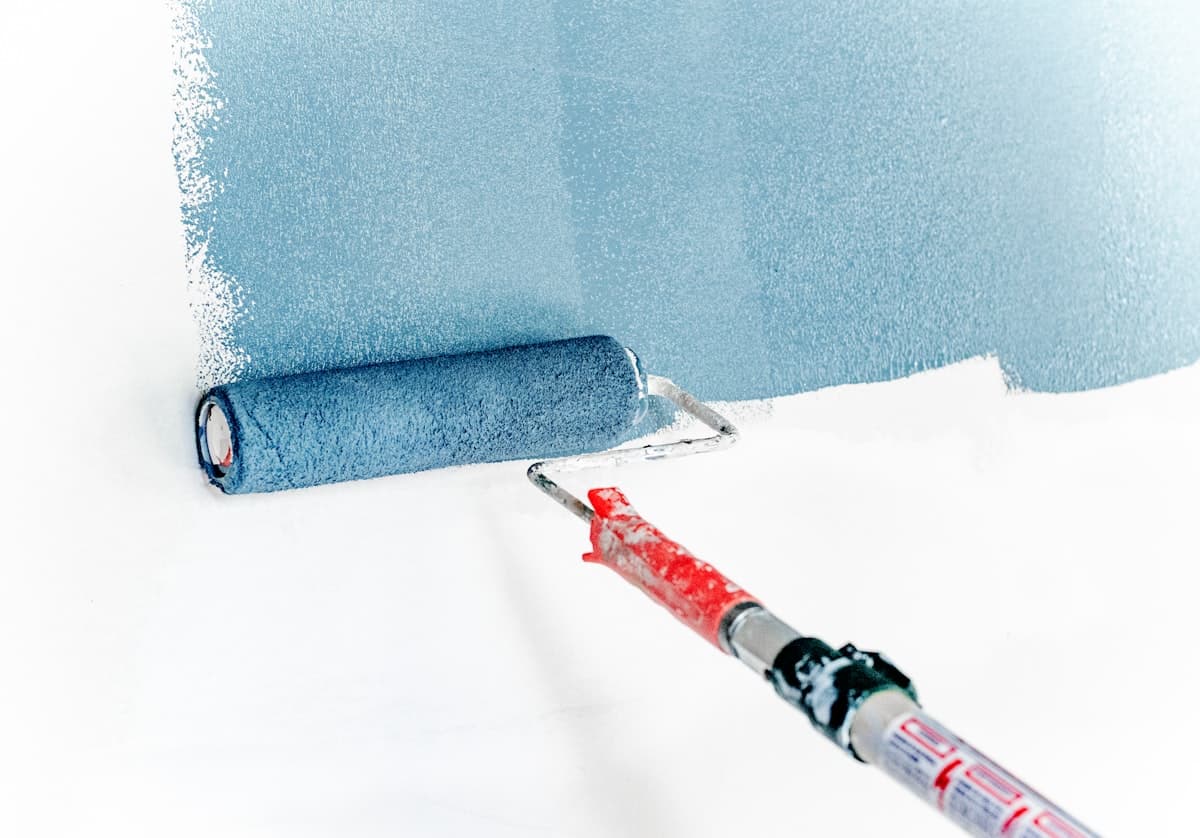
Failed or ageing balcony detail — ponding, cracks or active tracking
Prepared substrate with continuous balcony membrane and dressed details
What is balcony waterproofing?
Balcony waterproofing seals the slab edge and floor of external projections on towers and villas, stopping water reaching façades, units below and structural steel. High-rise work typically uses liquid-applied or cementitious under-tile membranes with reinforced railing bases, scupper drains and movement joints at the slab perimeter. Exposed-coat options suit balconies without tiles. Scope must account for thermal movement, wind-driven rain and the fact that water often enters at the railing post base — not the field centre.
Why UAE buildings need it
UAE apartment towers stack dozens of balconies vertically — one failed slab stains façades and floods units below during winter rain. Railing posts bolted through membranes without collars are a epidemic defect in older stock. Heat cycles expand aluminium railings and crack rigid sealants. Coastal towers face wind-driven rain at upper floors that horizontal rain alone does not explain. Façade remediation costs dwarf balcony membrane repair if leaks run unchecked.
Quick answers
What property owners ask first
Direct answers written for search and AI assistants — then read the full sections below for detail.
What is balcony waterproofing?
Balcony waterproofing is a membrane on external balcony slabs that stops water reaching rooms below and staining façades. It includes floor field, door thresholds, railing post bases, drains and perimeter joints. It is applied to prepared screed before tiles or as an exposed coat.
Why is balcony waterproofing needed in the UAE?
Stacked balconies in UAE towers mean one leak damages multiple units and façades. Railing posts, grout failure and blocked scuppers are common entry points. Wind-driven rain and heat cycles stress rigid details. Proper waterproofing prevents neighbour disputes and costly façade remediation.
How much does balcony waterproofing cost in the UAE?
Price depends on balcony size, tile removal, railing detail work, floor level and access equipment. High-floor towers cost more for safe access. Quotes vary; inspection is required. Building-wide stack programmes may reduce per-unit cost.
How long does balcony waterproofing last?
Under-tile systems often last 10–15 years when railing bases and grout are maintained. Exposed coats may need attention in 6–10 years. Failures at post bases appear sooner if collars were skipped. Regular scupper clearing extends performance.
The problem we solve
High-rise balconies leak at railing bases, tile grout lines and slab edges. Stains on façades and units below follow quickly.
- Railing post bases bolted through membrane without collars
- Failed tile grout letting water past a breached membrane
- Missing or blocked balcony scuppers and edge drips
- Cracked perimeter sealant at slab-to-façade junction
- Inadequate fall toward drain causing ponding at door
- Previous paint-only treatment without strip-out
- Water tracking to unit below via slab edge, not centre
Our solution
Under-tile or exposed-coat membranes with railing base treatment and compatible tile adhesives for UAE heat cycles.
Signs you need balcony work
- • Stains on the balcony soffit of the unit below
- • Efflorescence and paint failure on external walls under balconies
- • Loose tiles or hollow sounds at balcony floor
- • Water at the interior door track after rain
- • Rust streaks from railing base plates
- • Building management notices about façade staining
Methods
Balcony Waterproofing methods we specify
The right system depends on substrate, exposure and how the area is used — not a one-product pitch.
Under-tile liquid membrane
Flexible liquid system on stripped screed with reinforced railing bases and door threshold upturn before retiling.
Exposed polyurethane balcony coat
UV-stable exposed finish where tiles are removed — faster programme on occupied towers with access constraints.
Railing base remediation
Lift posts, install collars and re-seal penetrations — often the critical fix even when field membrane is sound.
Façade-coordinated phased repair
Stack-by-stack or zone programme with building management to address multiple leaking balconies systematically.
Outcomes
Benefits
- Inspection before quoting — no guesswork on scope
- Materials matched to balcony exposure and substrate
- Reinforced details at drains, corners and penetrations
- Written warranty on major system installations
- Documentation for FM, insurers and handover packs
Expected lifespan in the UAE
Correctly detailed balcony membranes under tiles typically last 10–15 years in UAE coastal towers. Exposed coats may need recoating in 6–10 years depending on UV exposure. Railing base details often fail first — inspection every two years catches problems before façade damage spreads.
Materials we use
- Liquid-applied balcony membranes
- Cementitious wet-area systems
- Movement joint sealants
See also our materials overview and warranty terms.
Professional installation process
- 01
Site inspection
We map moisture paths, substrate condition, drains and penetrations before quoting.
- 02
Surface preparation
Failed coatings are removed, cracks repaired and surfaces primed to manufacturer spec.
- 03
Detail reinforcement
Corners, outlets, pipes and movement joints receive extra membrane layers.
- 04
System application
The specified membrane or coating is applied at correct thickness with cure controls.
- 05
Testing and handover
Flood or hose tests where applicable, photos, warranty documents and maintenance guidance.
Full methodology on our process page.
Cost factors
- • Accessible area and working height
- • Strip-out of failed layers
- • System type and thickness
- • Detail complexity
- • Warranty scope
Balcony jobs are small area but high detail per square metre — railing posts, doors, and edges dominate labour. Tile removal, screed replacement, and neighbour access for testing add cost. Tower work may need cradle or scaffold hire. Fixed per-balcony quotes should list detail count. Inspection reveals if leak is localized threshold or full pan failure.
Read our waterproofing cost guide.
Maintenance advice
- • Annual visual inspection
- • Keep drains clear of debris
- • Repair minor damage before it spreads
- • Follow warranty inspection schedule
Keep drain grates clear of cigarette butts and sand. Reseal threshold silicone when cracked — before rainy season. Do not store wet laundry pooling on tiles. Inspect railing base rust — corrosion expands and splits grout. Report cracks at slab root to building management early.
Expert tips
- • Do not tile or paint over damp substrates
- • Compare quotes by written scope not headline price
- • Photograph the area before and after works
- • Fix slab root cracks with structural assessment if wider than hairline
- • Use exterior-grade flexible grout at railing bases
- • Keep balcony drain type with visible grate — hidden drains clog
- • Photograph membrane before tile — essential for disputes
- • Schedule works when neighbour below can access for leak watch
- • Avoid closing balcony drains during tile wash-down
Industry best practices
Maintain positive fall to drain — zero-fall balconies fail regardless of membrane brand. Extend membrane up threshold and side walls minimum upturn per system; laps at railing posts need mechanical flange or regressed detail. Use flexible systems at cantilever roots where slab deflection occurs. Flood test before tiles; many authorities and developers require signed test. Coordinate with cladding contractors so external panels do not puncture membrane upturn. Avoid blocking drip edges with thick tile buildup.
When to call a specialist
Call when neighbour below reports stains, tiles lift after rain, or threshold water tracks indoors. Before enclosing balcony with glass — added weight and new penetrations need review. If developer snagging missed flood test documentation, verify before fit-out.
Aftercare in the first weeks
Avoid placing heavy planters on fresh tile until adhesive cures. First showers — watch threshold and drain overflow. Do not seal drain completely for cleaning — maintain flow path.
Patch, partial, or full system?
Can balcony leaks be patched at the door, or must under-tile membrane be renewed?
Patch when
Threshold and drain detailing can solve tracking into living rooms when flood testing confirms the field under tiles is intact. Coordinate neighbour notices if testing affects the stack.
Full system when
Full under-tile renewal when tiles sound hollow near skirts, efflorescence lines the slab edge, or several units on the same elevation share failures. Tower programmes usually phase by elevation for access.
Avoid
Do not retile cosmetically over a suspect membrane to ‘freshen’ the balcony. You bury the defect and raise demolition cost for the next owner.
In towers, ask how flood testing will be timed against neighbour water use and whether management needs method statements before work starts. Threshold height and door-track detailing matter more than the open balcony field; living-room tracking usually starts there. If several units on the same elevation share symptoms, a phased programme often costs less than repeated single-unit emergencies. Keep flood-test photos per unit — strata disputes turn on evidence, not memory. Ask whether hollow tile sound is limited to the door strip or spans the full deck — that check often decides patch versus renewal before anyone lifts finishes.
Options compared
| Option | Best for | Watch out |
|---|---|---|
| Full pan membrane and retile | Saturated screed or unknown membrane history | Higher disruption; only path with reliable test |
| Threshold and upturn repair | Confirmed sound pan with door detail failure only | Fails if drain or root crack also present |
| Liquid PU under new tile | Standard exposed balconies with single drain | Zero-fall slabs still pond without screed correction |
| Drain replacement with new gasket | Leak at throat with dry surrounding membrane | Misdiagnosis if membrane lap to drain body failed |
Owner checklist
- Survey fall to drain with straightedge before works
- Remove tiles and assess screed moisture at cantilever root
- Detail railing posts with approved flange or regressed method
- Upturn membrane at walls and door threshold continuously
- Flood test pan and document for building management
- Coordinate with cladding to protect membrane upturn
- Reinstate drip edge at slab nose — do not tile over
- Match grout flexibility to exterior exposure
- Obtain warranty and test record for unit file
Common mistakes to avoid
These errors shorten membrane life and turn small leaks into slab or ceiling repairs.
- Re-grouting tiles without addressing the membrane below
- Re-bolting railings through a new membrane without collars
- Using non-flexible sealant at slab perimeter movement joints
- Working without building access permits and safety harness protocols
- Treating one balcony when a stack shares a common detail failure
- Applying membrane over damp screed to avoid tile lift
Why choose our balcony service
- Railing base and scupper details in every scope
- Experience with tower access, permits and FM coordination
- Phased programmes to limit neighbour disruption
- Under-tile and exposed options matched to your finish
- Façade-aware repair that stops staining on units below
Frequently asked questions
Additional detail beyond the quick answers above. Still unsure? Request an inspection.
How long does balcony waterproofing take?
Timelines depend on area, prep needs and cure times. A typical villa bathroom may take 3–5 days including flood test; a full roof refurbishment can take 1–3 weeks.
Do you provide warranty on balcony work?
Yes — major system installations include written warranty terms. Scope and exclusions are stated in your quote.
Which emirates do you cover for balcony waterproofing?
We serve Dubai, Abu Dhabi, Sharjah and all northern emirates. Remote industrial sites are scheduled by arrangement.
Who is responsible for balcony leaks — owner or building?
It varies by building bylaws and where the leak originates. We provide inspection reports that help owners and management agree on scope before works start.
Can balcony work proceed without disturbing neighbours below?
We use dust control, reasonable hours and phased wet works. Some drip risk during strip-out is managed with protection boards below — coordinated with the unit underneath when possible.
Do you repair balcony leaks on high floors above 20 storeys?
Yes — with certified rope access or cradle teams, permits and FM coordination. Access method affects programme and cost.
Who pays for balcony waterproofing in UAE apartments?
Depends on building bylaws and leak origin. Owner usually bears works within their unit; damage to common areas or neighbours may involve insurance. Document test results and scope for strata discussions.
Can balcony waterproofing be done without disturbing neighbours?
Tile removal and flood test create noise and brief water risk below. Protection and scheduling with unit below reduces conflict. Some buildings restrict works hours — confirm with management first.
How long does a balcony waterproofing job take?
Typical single balcony needs several days including strip, membrane, flood test, and tile cure. Weather and tower access extend timeline. Rush jobs that skip cure or test fail within one season.
Will flood testing disturb my neighbours?
It can — water shut-off and test timing must be coordinated with the stack and building management. Good programmes issue notices in advance and document pass/fail per unit for strata files.
Why does water enter the living room but the balcony tiles look fine?
Failures often sit at the door threshold and under-tile membrane, not in the open field you see. Hollow sound near the track and efflorescence at skirts are stronger clues than surface tile appearance.
Related services
Terrace Waterproofing
We deliver terrace waterproofing for property owners and facility teams who need lasting protection in UAE heat, UV and seasonal rain — not a quick coat that fails in two summers.
Apartment Waterproofing
We deliver apartment waterproofing for property owners and facility teams who need lasting protection in UAE heat, UV and seasonal rain — not a quick coat that fails in two summers.
Wall Waterproofing
We deliver wall waterproofing for property owners and facility teams who need lasting protection in UAE heat, UV and seasonal rain — not a quick coat that fails in two summers.
Ready for professional balcony waterproofing?
Book a free inspection. We diagnose first, then send a clear written scope — no vague per-sqm promises.